A new study suggests that magic mushrooms can literally repair brain damage.
The new pilot study out of Oregon – one of the only places in the US where this research is even legal – saw researchers hooked eight athletes up to EEG machines, give them psilocybin mushrooms, and watch their brains rewire themselves.
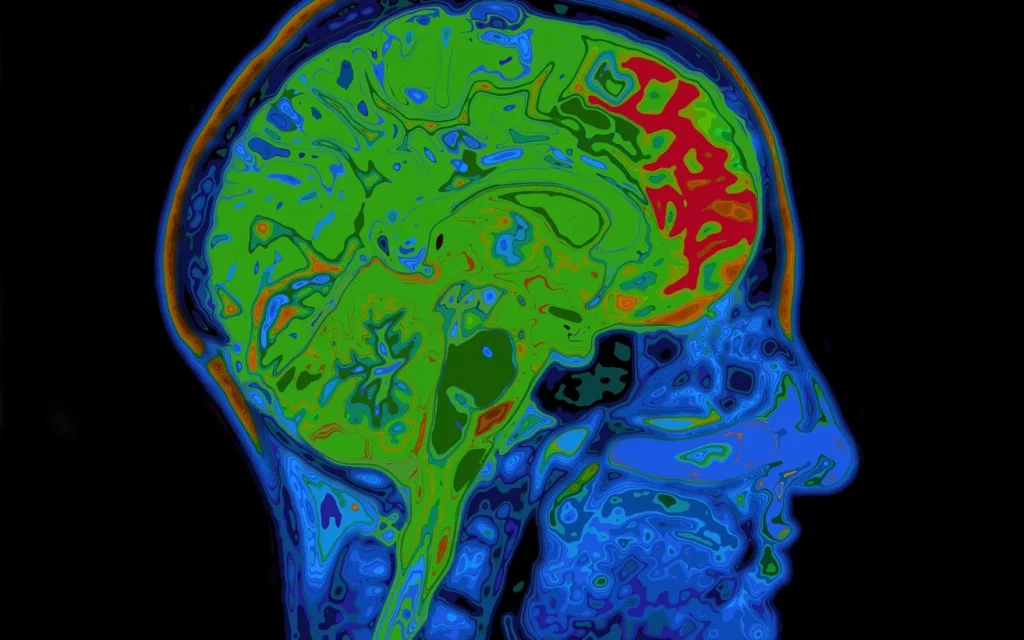
The results were stronger focus signals, balanced frontal lobe activity, less depression, less PTSD, and better overall cognitive function. The changes could be clearly seen in brain scans.
The Setup
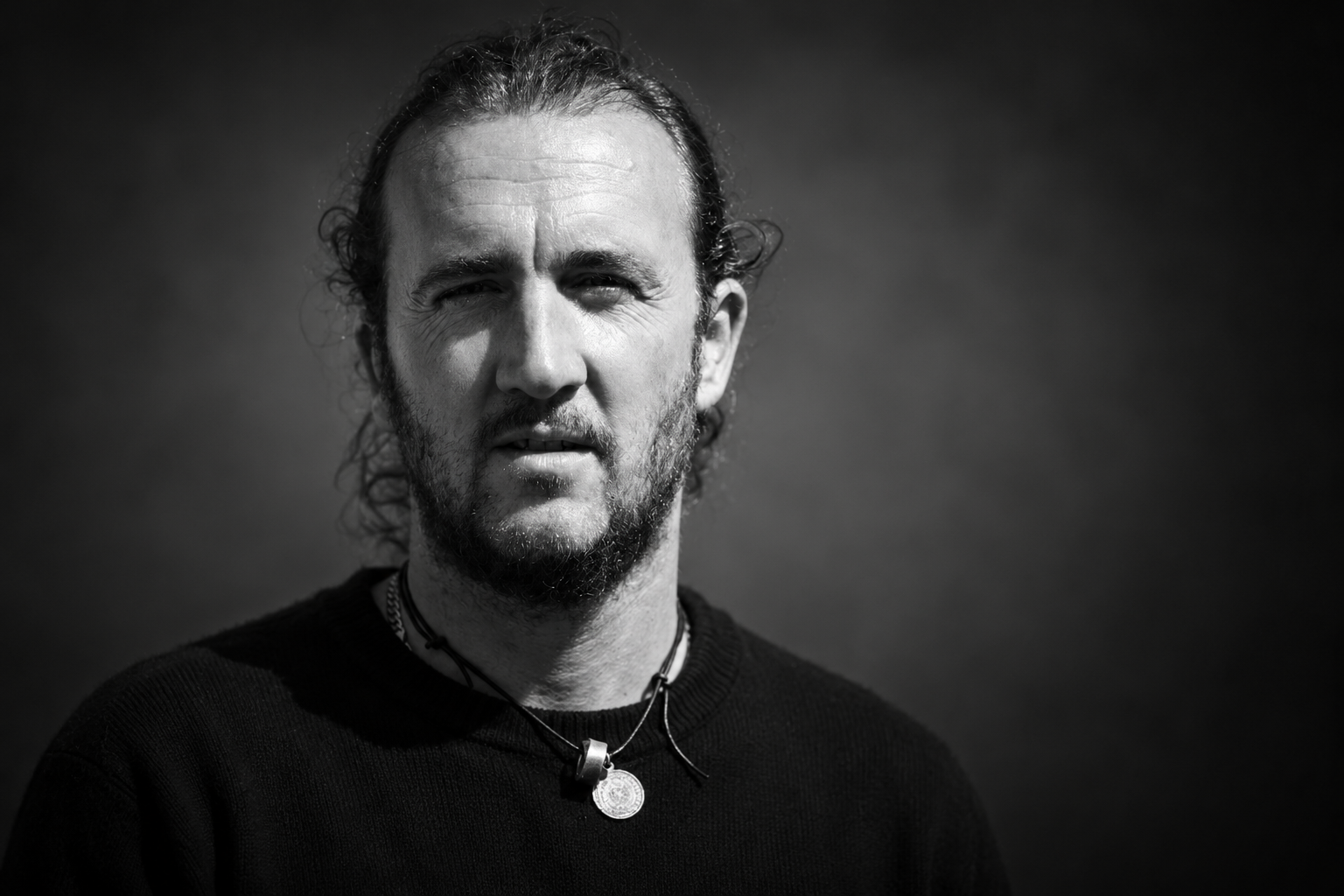
Former professional hockey player Daniel Carcillo runs one of the first licensed psilocybin treatment centres in the US. He partnered with Athletes Journey Home and Onaya Science to answer the question: Can psilocybin help heal traumatic brain injury?
In April 2025, they brought in eight athletes, including boxers, MMA fighters, Brazilian Jiu Jitsu practitioners, surfers, and bobsledders. These were people living with long-term concussion symptoms, which can have disastrous effects on careers, relationships, and lives.
Before and after guided psilocybin sessions, researchers measured:
- 64-channel EEG brain scans (think: high-definition brain activity mapping)
- Cognitive tests including the “oddball task” – a gold-standard assessment for attention and executive function
- Biomarkers from blood, saliva, and stool samples
What They Found
Enhanced brain activity: The resting-state EEG scans showed more balanced frontal brain activity – a pattern linked to better emotional regulation and mood stability. Your frontal lobe is basically your brain’s executive office. When it’s offline or disregulated (common after TBI), you get depression, impulse control issues, that feeling of “I’m not myself anymore.”
Sharper cognitive function: During the oddball task, participants showed stronger P3 neural signals. Translation: their brains got better at focusing and making decisions. P3 is like your brain’s “noticing and responding” signal. It spikes when you detect something important. After psilocybin therapy, those spikes got bigger.
Psychological improvement: Depression, anxiety, and PTSD symptoms all significantly reduced. Quality of life measures went up.
The brain is plastic. And we’ve known for a while now that psilocybin is a catalyst for neuroplasticity. This means it’s helping the brain rewire around damage, getting to the root cause of issues, rather than covering up symptoms.
Why This Matters (Beyond Sports)
Clearly, this is radically important for the treating and protecting the brain from damage. But there could be more to it than first meets the eye. Recent research is highlighting that psilocybin doesn’t just exert its effects on the brain. It’s been shown to be have potent beneficial effects at the metabolic level.
TBI causes massive metabolic disfunction in the brain. Glucose metabolism gets disrupted, mitochondria get damaged, and inflammation cascades.
The frontal lobe activity normalisation they’re seeing post psilocybin suggests better energy distribution in the brain. The full paper isn’t released yet (it’s going through peer review), but I would predict the biomarker analysis (blood, saliva, stool) will hint at systemic changes, not just neurological.
This aligns with emerging research showing psilocybin affect metabolic pathways, inflammation markers, even gut microbiome composition. Psilocybin is proving to be more than a treatment for brain damage or mental health. We’re talking about holistic repair.
The Caveats
As mentioned, this study hasn’t been peer-reviewed yet. Eight participants is a tiny sample size. And these were guided sessions in a clinical setting.
But the study coordinator Nige Netzband says: “This offers compelling evidence that, when administered in a clinical and supportive setting, psilocybin can lead to neurological and psychological recovery for concussion survivors.”
Ian McCall, founder of Athletes Journey Home, said: “The athlete’s journey home is a return to themselves. Now the data is backing it up.”
It’s important to remember that TBI does more than simply damage neurons. Former athletes describe feeling like ghosts of themselves. Depression, rage, memory issues, and a sense of not knowing who your are anymore are common.
Psilocybin appears to help rebuild neural pathways while resetting underlying metabolic processes, helping people come home to themselves. If it works for elite athletes with severe, repeated head trauma, what does it mean for the millions of people with mild TBI, veterans with blast-induced TBI, or anyone with treatment-resistant depression (which often has neuroinflammatory components)?
We’re watching the medicalisation of mushrooms happen in real-time.
Carcillo said: “These results are early but powerful, and they point to a future where athletes and concussion survivors no longer have to suffer in silence.”
Early, yes. But real. We can see it on the scans.
The study was conducted by Experience Onward, Athletes Journey Home, and Onaya Science. Full data release pending peer review. Press release here.