When Maria Branyas Morera passed away in 2024 at 117 years old, she held the title of the world’s oldest living person. After her death, researchers published a comprehensive study in Cell Reports Medicine examining what made her biology so exceptional.
Among the genetic markers and immune profiles, one finding jumped out at me: Maria had unusually high levels of Actinobacteriota bacteria in her gut, particularly Bifidobacterium – a beneficial probiotic that typically declines as we age. In centenarians and supercentenarians, though, studies show it stays elevated. The researchers believe this bacterium played a role in Maria’s longevity through multiple anti-aging pathways, especially by keeping inflammation in check.
The Gut Health Connection
The researchers hypothesised Maria had such high Bifidobacterium levels because she ate three yogurts every day – a fermented food that delivers beneficial bacteria directly.
But you don’t need fermented foods to boost Bifidobacterium. There’s mountains of research showing that edible mushrooms significantly increase Bifidobacterium populations and promote overall gut health. They do this through their unique prebiotic fibres and bioactive compounds that feed and support beneficial gut bacteria.
Mushrooms contain beta-glucans and other polysaccharides that act as prebiotics, essentially providing fuel for the good bacteria in your gut. While yogurt delivers bacteria directly (probiotic), mushrooms create the conditions for beneficial bacteria to thrive (prebiotic).
When you consider that emerging science suggests our gut microbiome is a primary driver of the aging process itself, it raises a fascinating question: could mushrooms be one of our most underutilised longevity tools?
The Evidence Is Stacking Up
The connection goes deeper than gut bacteria. Let’s look at what else researchers found remarkable about Maria’s biology:
Immune resilience: Her immune profile showed elevated levels of cytotoxic T cells. These are the body’s specialist hunters that eliminate infected and precancerous cells. Even at 117, her immune system stayed vigilant.
Mushrooms are well-documented immune modulators. They boost T cell activation and proliferation, enhance cytotoxic T cell function, and support anti-cancer immunity. Key compounds like polysaccharides (Lentinan, D-fraction) activate our lymphocytes, macrophages, and natural killer cells, potentially improving tumor surveillance and reducing immunosuppression.
Metabolic health: Maria’s metabolic profile was striking. She had exceptionally high HDL cholesterol, very low triglycerides, and remarkably low inflammation markers (GlycA and GlycB). Chronic low-grade inflammation drives nearly every age-related disease: heart disease, Alzheimer’s, cancer.
Again, mushrooms demonstrate these same metabolic benefits through multiple well-established mechanisms.
Biological age: Using DNA methylation patterns as an epigenetic clock, researchers estimated Maria’s biological age was 23 years younger than her chronological age. The lead researcher noted this was “one of the reasons that she was alive.”
This is where things get really interesting.
Epigenetics
DNA methylation is the process where chemical tags attach to DNA and influence gene expression. And it’s fundamental to ageing. A number of mushrooms, notably Shiitake mushrooms, have been shown to support healthy methylation by modulating key enzymes in the methylation pathway, such as reducing excess s-adenosyl homocysteine hydrolase (SAHH).
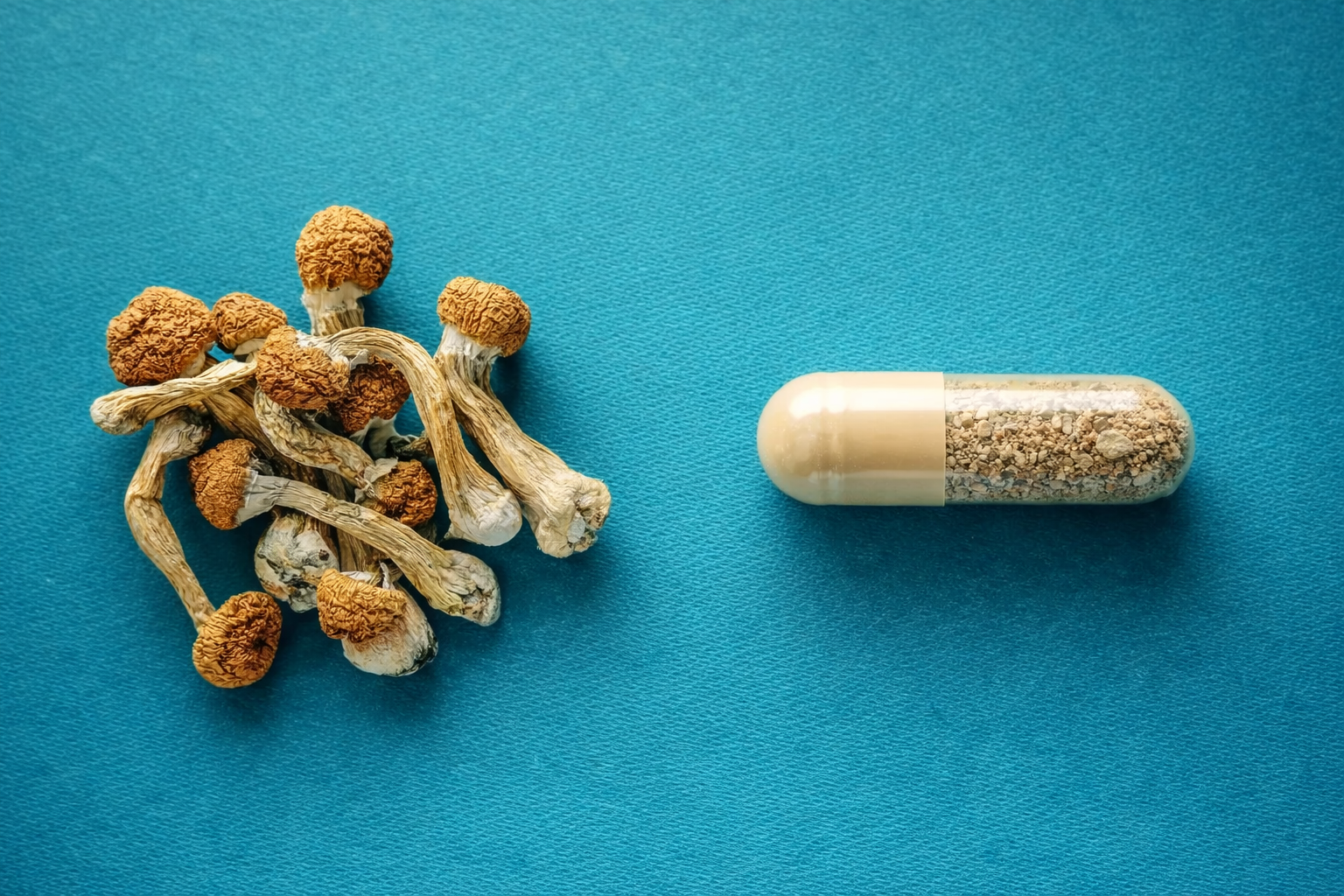
But it’s not only culinary mushrooms. Recent research on psilocybin (found in “magic mushrooms”) reveals it can induce long-lasting changes in brain gene expression through epigenetic mechanisms:
- Studies show psilocybin extracts reverse the effects of early-life stress in mice by altering expression and methylation of specific genes in the hippocampus
- Psilocin (psilocybin’s active metabolite) increases SIRT1 and decreases GADD45a levels – both associated with reduced DNA damage and longevity benefits
- The lasting effects on social behaviour can be blocked by inhibiting DNA methyltransferase, confirming these changes operate through methylation
In fact, psilocybin’s longevity potential is making headlines right now. Research published in 2025 suggests it may function as a geroprotective (anti-ageing) agent. Preclinical studies on human cells and aged mice indicate it can slow cellular aging and extend lifespan, though human trials haven’t validated these findings yet.
Even biohacker Bryan Johnson recently self-experimented with psilocybin and reported lower inflammation, balanced glucose, and what he described as a “metabolic reset.”
The Broader Pattern
Population studies support the mechanistic research. Mushroom consumption is associated with longer lifespans, lower cancer rates, and reduced depression. The mechanisms align: immune support, metabolic optimisation, inflammation reduction, epigenetic modulation, and microbiome enhancement.
From a first-principles perspective, this makes sense. Mushrooms exist at a unique biological intersection. They’re neither plant nor animal, they break down and recycle nutrients in ecosystems, they produce an extraordinary array of bioactive compounds, and they’ve co-evolved with complex life for hundreds of millions of years.
They’ve even been termed as nature’s own mini pharmaceutical factories by one leading mycologist.
Having said all that, mushrooms aren’t a magic bullet (despite what some supplement marketing might suggest). Maria Branyas lived a full life that included decades of Mediterranean-style eating, daily walking, gardening, piano playing, deep social connections, and yes, lots of yogurt. Her habits, environment and her genetics all played a role in shaping her biology and contributing to her long life.
Mushroom’s For All
But mushrooms do represent a rare combination of accessibility, safety, and potency.
They’re easy to grow, even in your own home with basic equipment. They’ve been consumed safely for thousands of years across every inhabited continent. They’re regenerative, turning waste into nutrition. They’re decentralised by nature, meaning you don’t need pharmaceutical companies or complex supply chains to benefit from them.
In a world where longevity interventions often require expensive clinics, proprietary compounds, or genetic lottery tickets, mushrooms are democratic. They’re a foundational tool that almost anyone can access.
This is why I started this blog (thanks for reading) and encourage people to eat more mushrooms. It’s also why Mushies (my UK supplement company) exists – to make concentrated, high-quality mushroom supplements accessible to people who want to optimise their biology.
We don’t know if mushrooms were part of Maria’s Mediterranean Diet. But even if they weren’t, the evidence suggests they share many of the same biological pathways that kept her alive and thriving past 117.
And unlike winning the genetic lottery, mushrooms are something we can all put on our plates – or in our morning routine – to give ourselves a better chance of ageing with health and vitality, just like Maria.