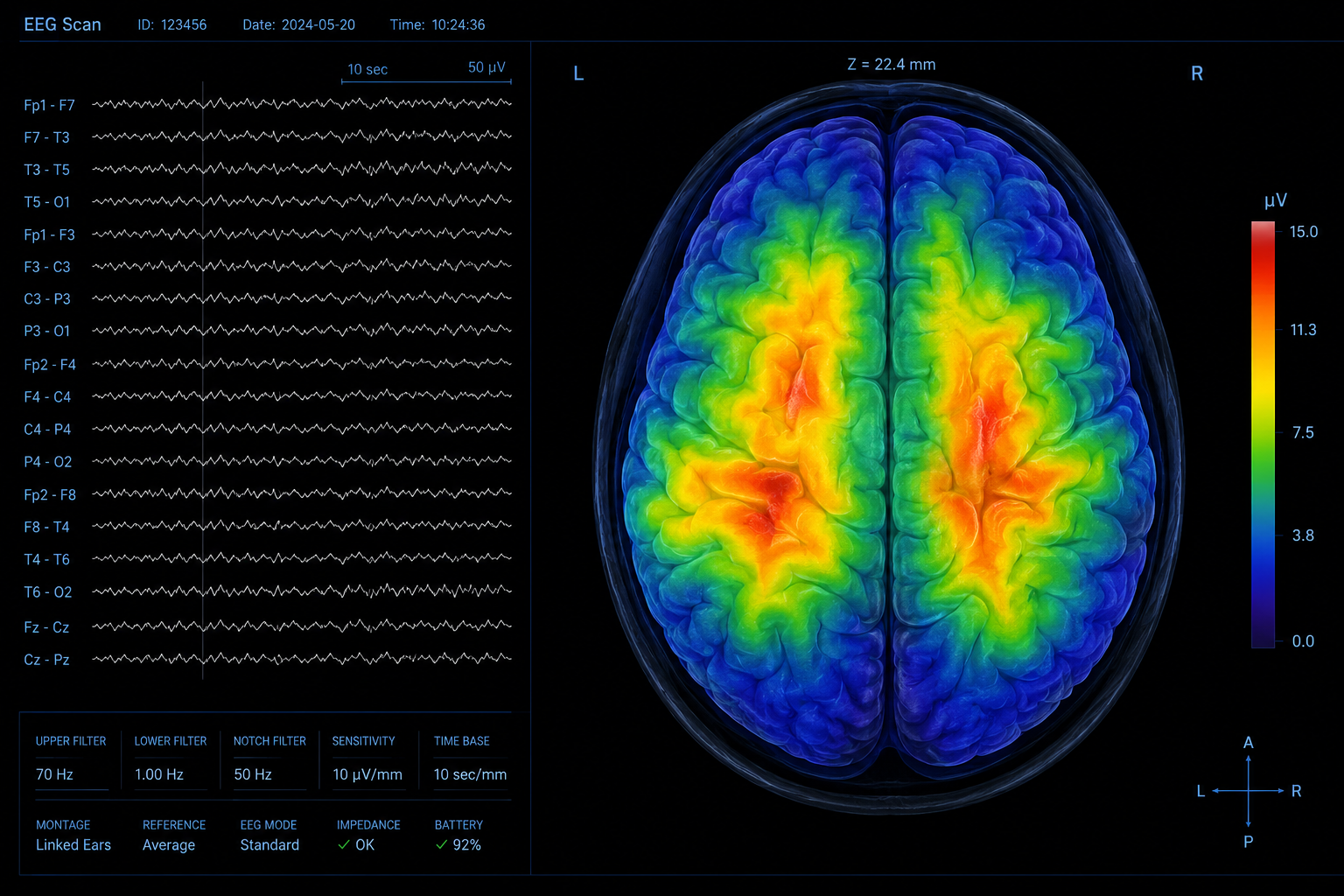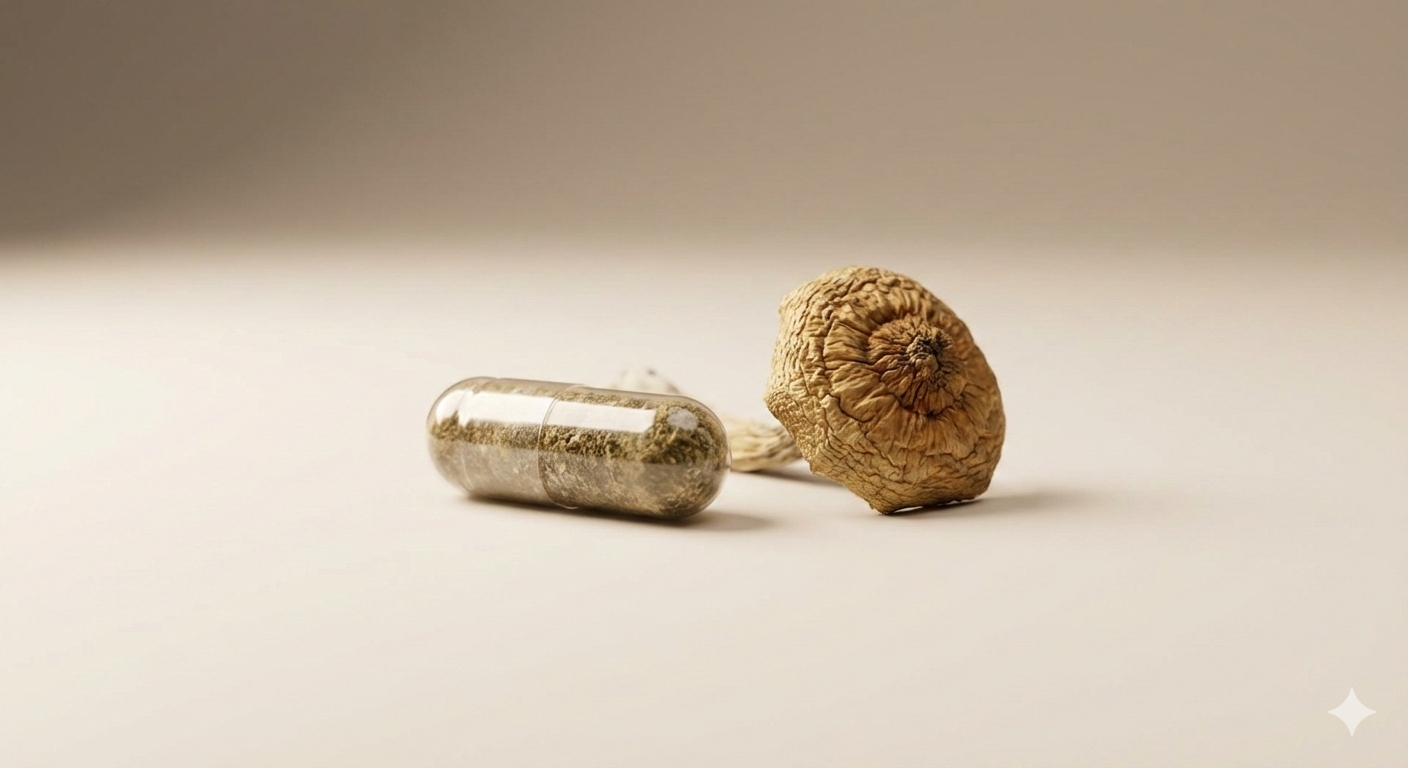
I’ve microdosed psilocybin a lot. And I’m absolutely convinced it does something.
When I take a microdose, I notice it. It’s not obvious and I don’t trip. But there are subtle shifts that show up in my day. I drop into flow states more easily, especially when I’m socialising, playing sport, or doing creative work. My mood lifts and my mind feels calmer. The internal chatter quiets down.
But is it all down to the placebo effect?
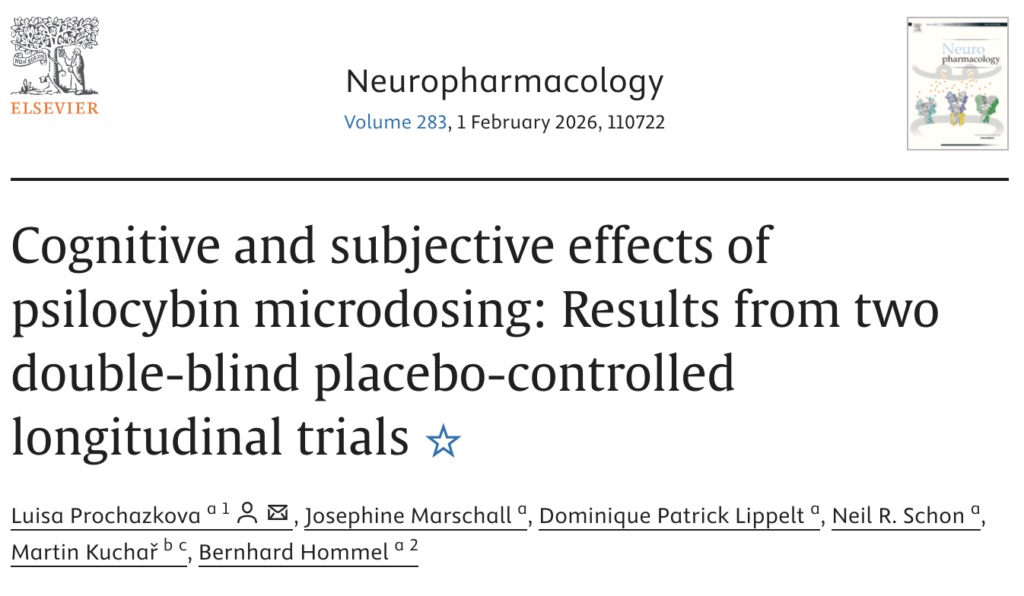
According to this comprehensive new study in Neuropharmacology by Luisa Prochazkova and her team at Leiden University, the answer is yes. Because their results, from two rigorous double-blind placebo-controlled trials, found essentially nothing. No cognitive enhancement. No mood boost. No measurable difference from placebo.
This creates an uncomfortable question: Am I just really susceptible to placebo effects? Or is the science missing something important?
What They Found (Or Didn’t Find)
The researchers were thorough. They recruited healthy volunteers, randomly assigned them to receive either psilocybin truffles or placebo capsules, and made sure neither participants nor researchers knew who got what until the study ended.
In the first experiment, participants took about 0.65 grams of fresh truffles every few days for four weeks. In the second, they upped it to 1 gram over eight weeks. They tested memory, attention, cognitive flexibility, social cognition, trust, mindfulness, and well-being – basically everything the microdosing community claims gets enhanced.
The results were flat. The microdosing group didn’t perform better on memory tasks, didn’t show improved focus, and didn’t report higher well-being. Participants couldn’t even guess whether they’d taken the active drug or placebo better than chance.
The only consistent difference was that people taking real truffles reported more negative physical sensations like nausea, temperature changes, and general bodily discomfort.
So What’s Going On?
I think both my experience and this study can be true at the same time. Let me explain.
The study measured what’s measurable in a lab setting. Standardised cognitive tests. Subjective mood questionnaires. Reaction time tasks. These are important scientific tools, but they’re also incredibly reductive.
Flow states – the thing I notice most – are notoriously hard to capture in controlled settings. Flow emerges in dynamic, unpredictable contexts. Like when you’re improvising in conversation, responding to the spontaneity of a football match, or expressing a creative idea that takes unexpected turns. You can’t really test for that with a computer task showing letters in sequence.
The study participants were doing the same rigid tasks at the same scheduled times. That’s necessary for scientific control, but it’s also the antithesis of the conditions where I notice microdosing effects. Flow requires challenge, autonomy, immediate feedback, and immersion. Lab tasks are designed to eliminate variables, not create optimal performance conditions.
The Placebo Question
I also can’t just dismiss the placebo explanation. The fact that people in this study reported positive changes regardless of whether they got the real drug is humbling.
Maybe some of what I experience is expectation. I take a microdose, I expect to feel more fluid and open, and my brain obliges. But that’s not necessarily a bad thing. Placebo effects are real and potentially useful neurobiological events. But it does complicate the narrative.
Here’s what makes me think it’s not just placebo though. The benefits I notice aren’t always what I expect. Sometimes I microdose hoping for creative insight and instead just feel more patient with mundane tasks. Sometimes I don’t notice I’m having a good flow day until the end of the day or even the next day.
The effects feel more textured and unpredictable than a simple expectancy effect would produce.
Metabolic Benefits?
Psilocybin acts primarily through serotonin 2A receptors, but our neurotransmitter systems don’t exist in isolation. They’re intimately connected to metabolic state. Things like gut health, inflammation, nutrient availability, sleep quality, circadian rhythms, and stress hormone balance.
Thanks to recent research, we’re just starting to understand that psilocybin might directly affect metabolic health in ways that have nothing to do with cognition or mood.
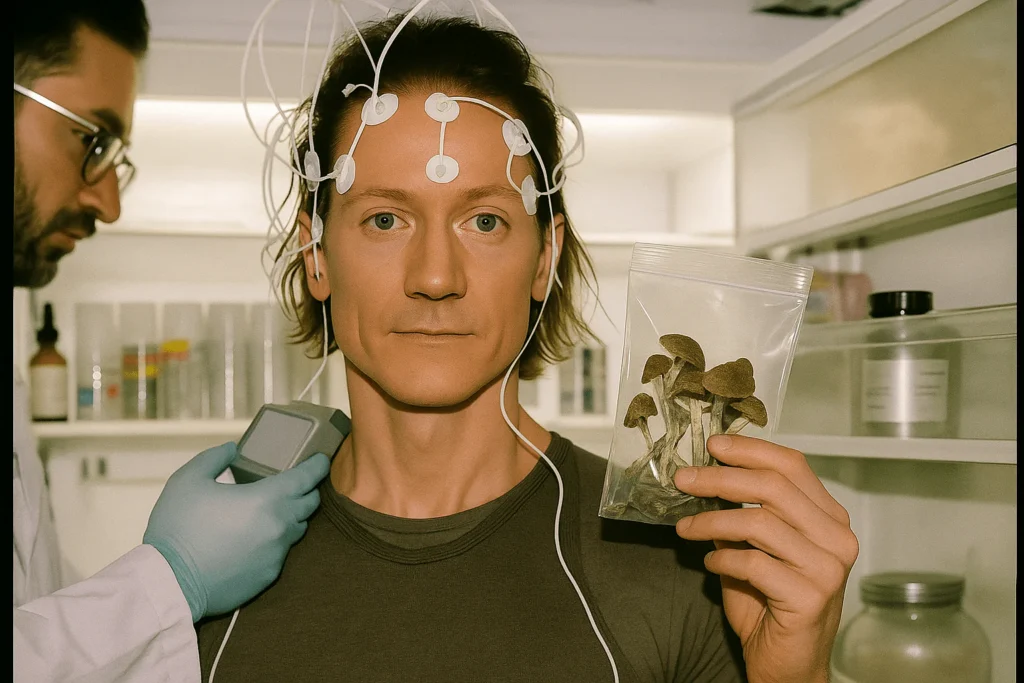
Bryan Johnson – the biohacker spending millions optimising his biology – recently ran experiments with psilocybin and found measurable metabolic changes. We’re talking about shifts in inflammation markers, changes in gut microbiome composition, and alterations in metabolic flexibility. This is backed up by research last year showing psilocybin extends the lives of rats and may offer longevity benefits through metabolic pathways.
So what if microdosing’s subjective effects aren’t primarily about neurochemistry at all? What if they’re downstream of metabolic shifts that we’re only beginning to measure?
Think about it: inflammation affects brain function. Gut bacteria produce neurotransmitter precursors. Metabolic flexibility influences energy availability in neural tissue. If psilocybin – even at micro doses – is subtly modulating these systems, the cognitive and emotional effects I notice might be secondary consequences of improved metabolic function.
It could also explain why the lab studies show null results. They’re measuring cognition and mood directly, but missing the metabolic intermediaries. Healthy young volunteers in controlled settings might not have metabolic dysfunction to correct.
The standardized dosing in studies also ignores that optimal doses might be wildly individual based on metabolism, body weight, gut bacteria composition, and inflammatory status. What works for me might do nothing for you due to our different biology.
The metabolic angle makes me more interested in what microdosing might actually be doing. Just not in the way the productivity hackers originally sold it.
My Working Theory
Here’s where I’ve landed for now:
Microdosing probably does something for me, but it’s likely much more subtle and context-dependent than the productivity-hacking narrative suggests. The effects might be more about setting and intention than about direct pharmacology. I’m creating conditions for flow states and then attributing them to the substance, when really it’s the combination of dose + expectation + optimal challenge + metabolic effects.
The lab studies can’t capture that complexity, but that doesn’t mean my experience is invalid. It just means the phenomenon is messier than either the hype or the debunking suggests.
I’m going to keep microdosing occasionally, especially before situations where I want to feel more fluid and present. But I’m holding it lightly. It’s a tool, not a magic bullet.
Conclusion
I’m not giving up microdosing. But I’m giving up certainty about it.
The subjective benefits I experience might be real pharmacology, sophisticated placebo, ritual and intention, metabolic effects, or some combination I can’t disentangle. The science says my brain is probably fooling me. My experience says something is happening.
Both can be true.
What matters more is whether I’m building genuine resilience – through sleep, nutrition, stress management, functional mushrooms with proven mechanisms, and practices that don’t depend on substances. The microdosing story seduced us with promises of effortless enhancement. The truth is harder and slower and less sexy.
But probably more real.
The study “Cognitive and subjective effects of psilocybin microdosing: Results from two double-blind placebo-controlled longitudinal trials” is published in Neuropharmacology, Volume 283, February 2026, by Prochazkova, Marschall, Lippelt, Schon, Kuchař, and Hommel.