
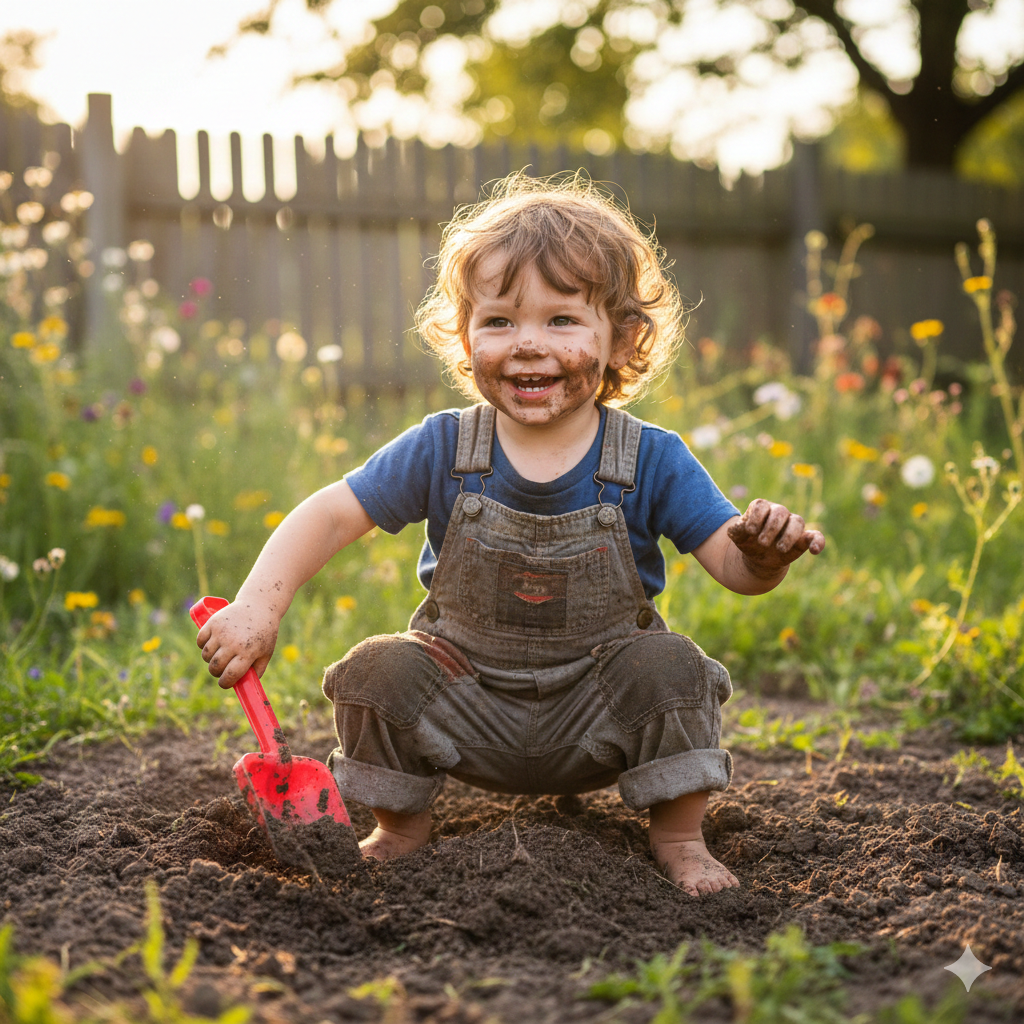
Here’s something that should make you rethink your relationship with dirt. The mix of fungi and bacteria living in your local soil appears to be the single biggest factor determining whether kids in your area develop allergies.
I’m not talking about a minor correlation here. According to research presented at AGU’s 2025 Annual Meeting, soil microbes are up to four times more predictive of childhood allergic disease than anything else researchers have measured. More than climate, wealth, healthcare access, pollution, or genetics.
Joshua Ladau, a microbial ecologist at Arva Intelligence, put it bluntly: “We’ve analyzed the data in every way we can think of…but no matter how we’ve done it, this result is consistent.”
The Scale of This Discovery
The research team analysed data from over a million children across 250+ cities in 97 countries, cross-referencing it with 8,200 soil samples from around the globe. They were looking at three major allergic conditions: atopic dermatitis, asthma, and allergic rhinitis.
The pattern held everywhere. Even in different continents, different climates, and different wealth levels, the soil microbiome kept emerging as the dominant predictor.
It’s About Community
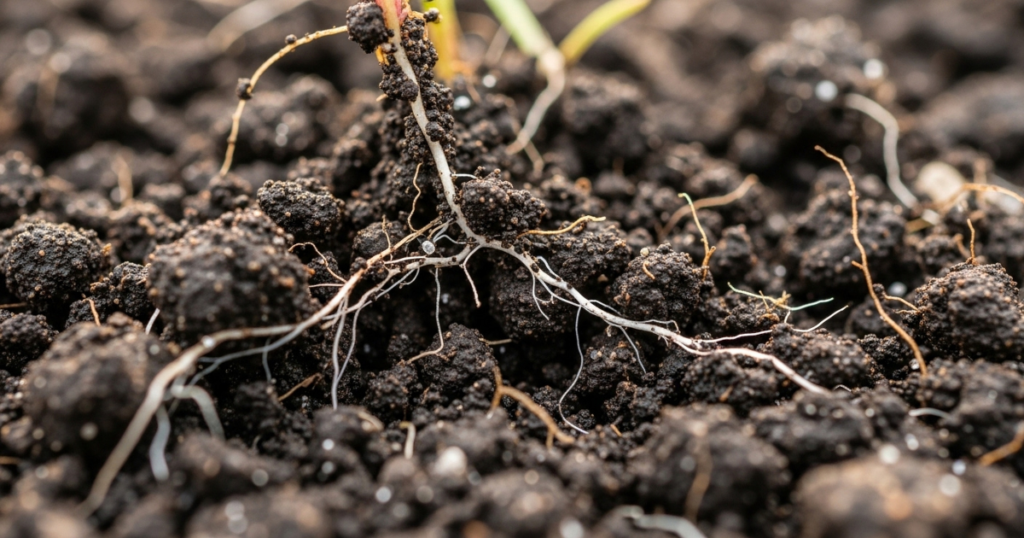
Here’s where it gets interesting for those of us obsessed with fungi. The reduction in allergies is not down to having more microbial diversity. It’s about having the right community assemblages.
Some specific fungal and bacterial taxa appear protective against allergies. Others correlate with worse outcomes. And intriguingly, those negative associations aren’t with known pathogens, adding to the novelty of the discovery.
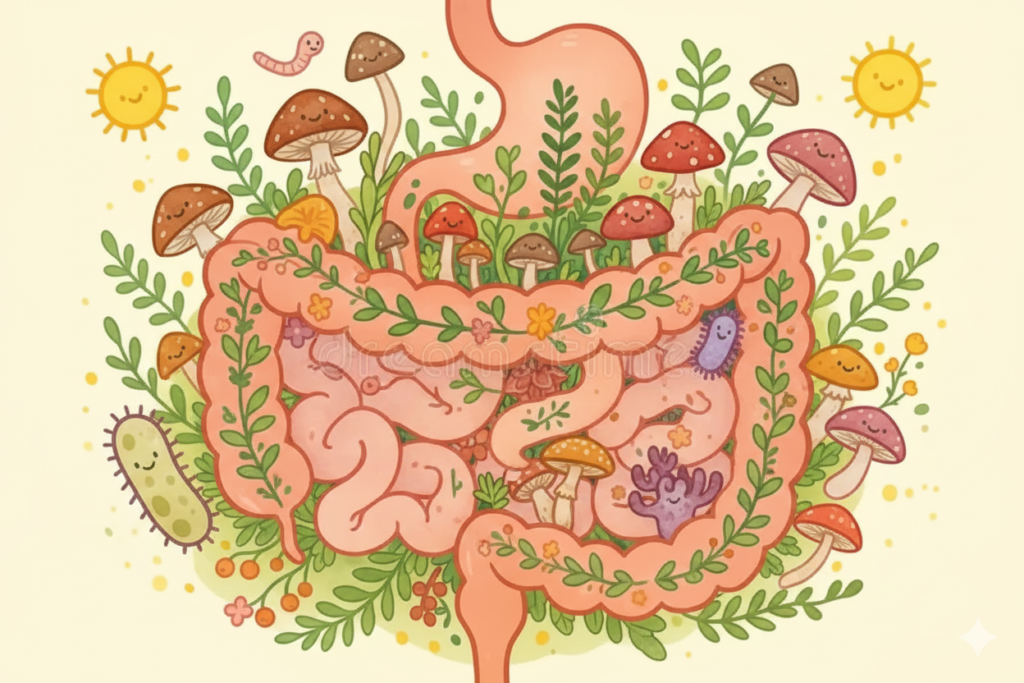
This speaks to something fundamental about ecological systems, including the one in our gut. Composition matters more than raw numbers. A thriving, balanced fungal-bacterial network in the soil creates conditions for health that go far beyond what any single species could provide.
The Metabolic Connection
And the same is true for our own microbiome. We already know the gut microbiome influences everything from inflammation to insulin sensitivity. Now we’re seeing that the soil microbiome – which we encounter through food, outdoor exposure, and environmental contact – might be programming our immune systems during the critical window of childhood development.
The researchers hypothesise that early exposure to diverse soil microbes helps develop immune tolerance. In other words, kids who grow up in contact with healthier soil communities learn to distinguish threats from harmless substances.
Their immune systems develop metabolic flexibility, meaning they don’t overreact to pollen, dust mites, or their own skin cells.
Health Starts Underground
This research flips the script on public health. Instead of focusing solely on medical interventions later in life, we need to think about the network of microbial communities literally beneath our feet.
You can’t prescribe healthy soil microbiomes from a pharmacy. You can’t distribute them through a healthcare system. They emerge from place-based ecological relationships. From how land is managed, from whether soils are living or dead, from whether fungi and bacteria have the conditions to form those protective assemblages.
This is radically decentralised health infrastructure. Every garden, every park, every patch of living soil should be seen as potential preventive medicine.
The Regenerative Imperative
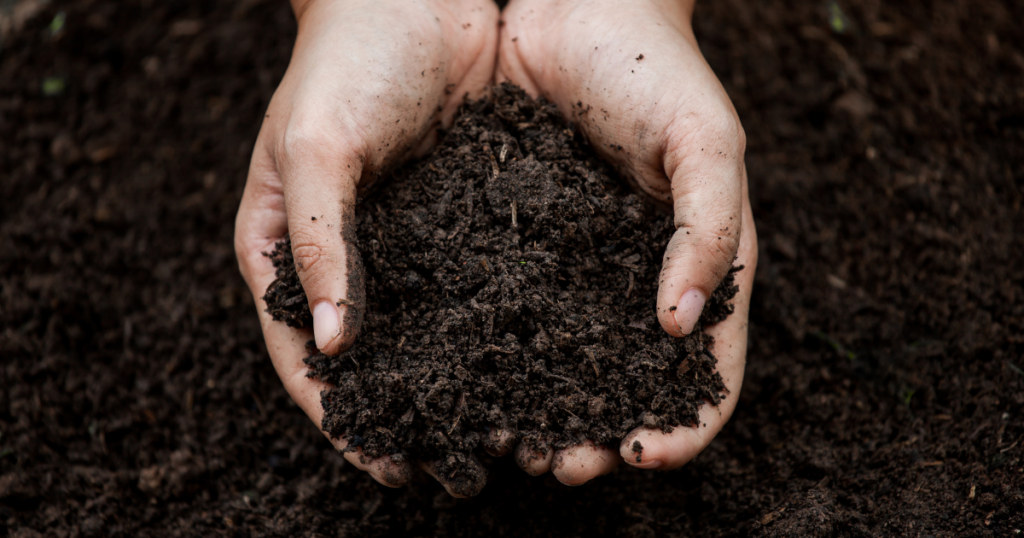
Everything we do to regenerate soils – think composting, minimising tillage, supporting fungal networks, increasing organic matter – might simultaneously be regenerating community health.
Ladau points out that conserving and restoring soils already provides massive benefits: carbon sequestration, fire remediation, pest control, nutrient cycling. Now add “reduces childhood allergies” to that list.
Mushrooms, particularly mycorrhizal fungi, are keystone species in these soil networks. They form the literal communication infrastructure between plants and bacteria, facilitating nutrient exchange and building soil structure. When we support these fungal networks, we’re supporting the entire microbial community that protects kids from a lifetime of allergic disease and no affects everyone’s health.
What We Don’t Know Yet
The researchers note this isn’t proven causation, but it is an extraordinarily strong association. And Ladau says no other factor has emerged to explain the connection as the signal is remarkably robust across different analyses.
The team is now working to identify exactly which microbial taxa are protective and which are problematic. That knowledge could guide everything from urban planning to agricultural practices to how we design children’s play spaces.
Living Systems, Living Health
This research validates indigenous and traditional wisdom, which says that we’re not separate from the land beneath our feet. Our health is woven into the health of living systems around us.
In our rush toward sterile environments and industrial agriculture, we’ve created dead soils and increased allergies. The path forward is in regeneration, actively rebuilding the fungal-bacterial networks that support both ecological and human health.
Every time you choose to regenerate soil – in your garden, your community space, or through supporting regenerative agriculture – you are improving the health of your community.
The dirt isn’t dirty. It’s medicine. And the fungi threading through it might be some of the most important preventive healthcare we have.
Research presented by Joshua Ladau et al. at AGU’s 2025 Annual Meeting in New Orleans

One thought on “The Mix Of Fungi And Bacteria Living In Your Local Soil Is The Single Biggest Factor For Childhood Allergies”