
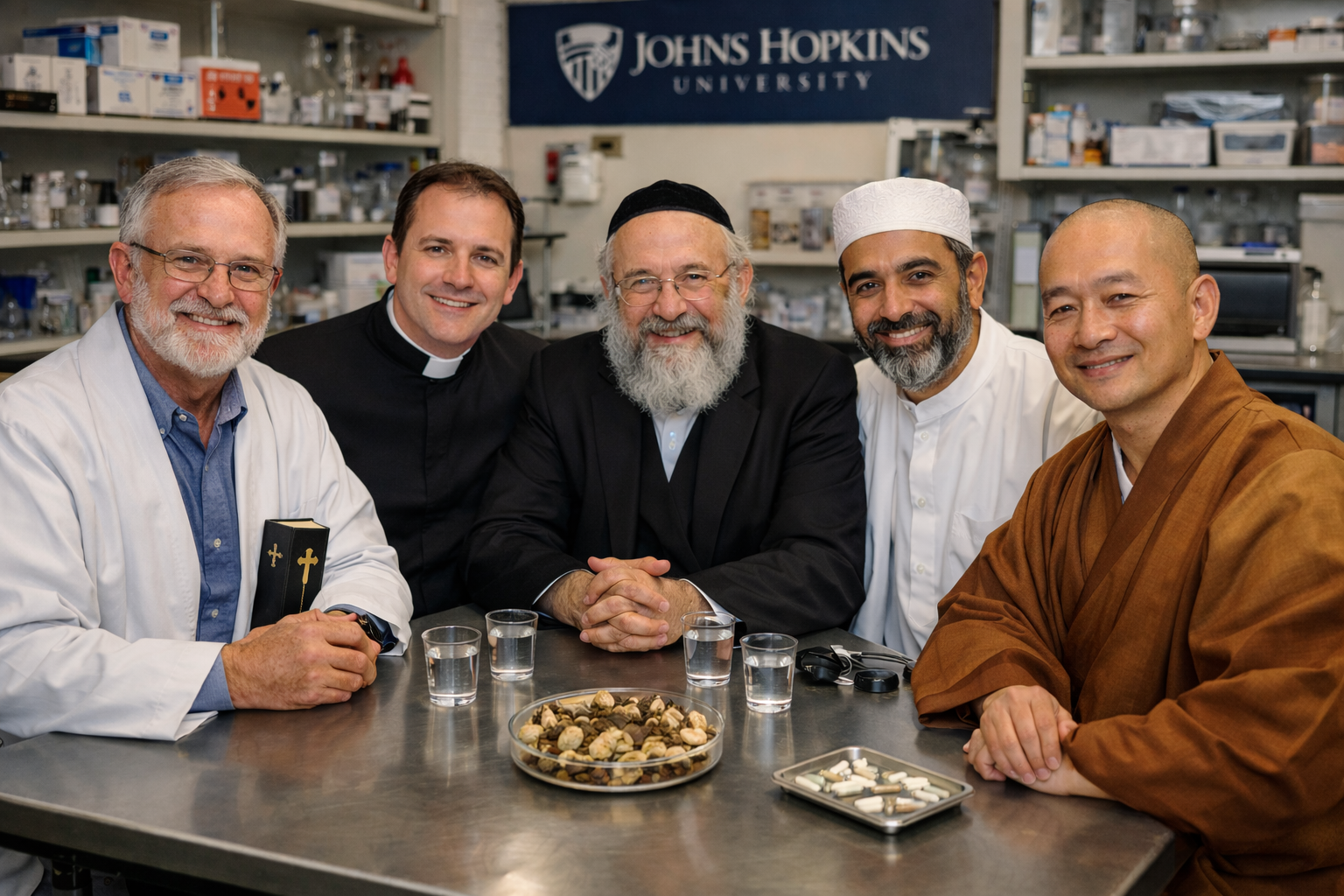
A Baptist scholar, a Catholic priest, several rabbis, an Islamic leader, and a Zen Buddhist roshi walk into a Johns Hopkins lab. This isn’t a joke. It’s the opening scene of one of the most fascinating psychedelic studies ever conducted.
Nearly a decade ago, researchers Roland Griffiths, Stephen Ross, and Anthony Bossis did something unprecedented. They recruited 33 professional clergy members from Christianity, Islam, Judaism, and Buddhism, gave them high doses of psilocybin (the active compound in magic mushrooms), and tracked what happened to their spiritual lives over the next 16 months.
The results, published in 2025 in Psychedelic Medicine, are striking. Over 90% said the experience was one of the most spiritually meaningful and deeply sacred of their lives. Nearly half (42%) called it the single most profound experience they’d ever had.
Think about that for a moment. These aren’t curious college students or spiritual seekers. These are people who’ve dedicated their entire lives to religious practice through years of prayer, meditation, study, and ritual. And yet a single guided psilocybin session rivalled or exceeded everything they’d experienced through traditional devotion.
What Actually Happened in Those Sessions
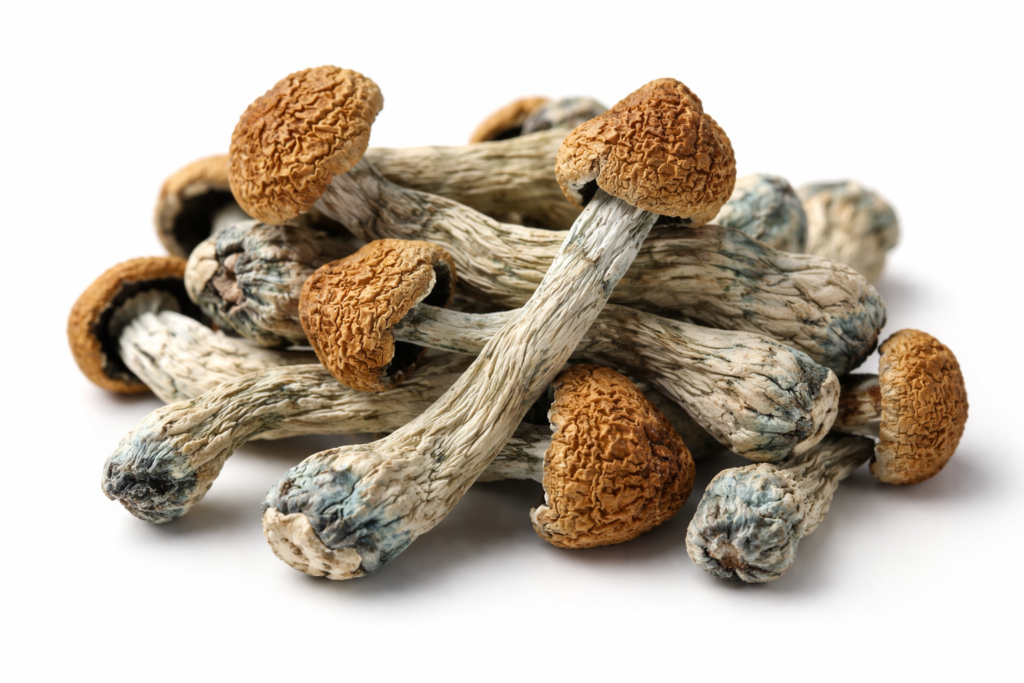
The setup was deliberately sacred. Participants lay on couches in living-room-like spaces, wearing eyeshades and headphones, and encouraged to “focus their attention inward” while carefully selected music played. They could bring religious or personal items. The dose was substantial: 20-30mg/70kg (roughly equivalent to 4–5 g dried Psilocybe cubensis). It was enough to reliably produce what researchers call “mystical experiences.”
And mystical they were. The study documents experiences characterised by unity, a profound sense of truth, transcendence of time and space, awe, and sacredness. Essentially the same qualities mystics have described across traditions for millennia.
The Long-Term Effects
At 16 months post-session, the changes held:
- 79% reported lasting positive effects on their religious practices and daily sense of the sacred
- 71% developed greater appreciation for religious traditions other than their own
- 78% said it made them more effective as religious leaders
That second point is particularly interesting. The experience seemed to create what the article describes as “a release from attachment to dogmas and greater openness to other forms of religious experience.” In other words, the mushrooms made them more open, more curious, and more able to see truth in other traditions.
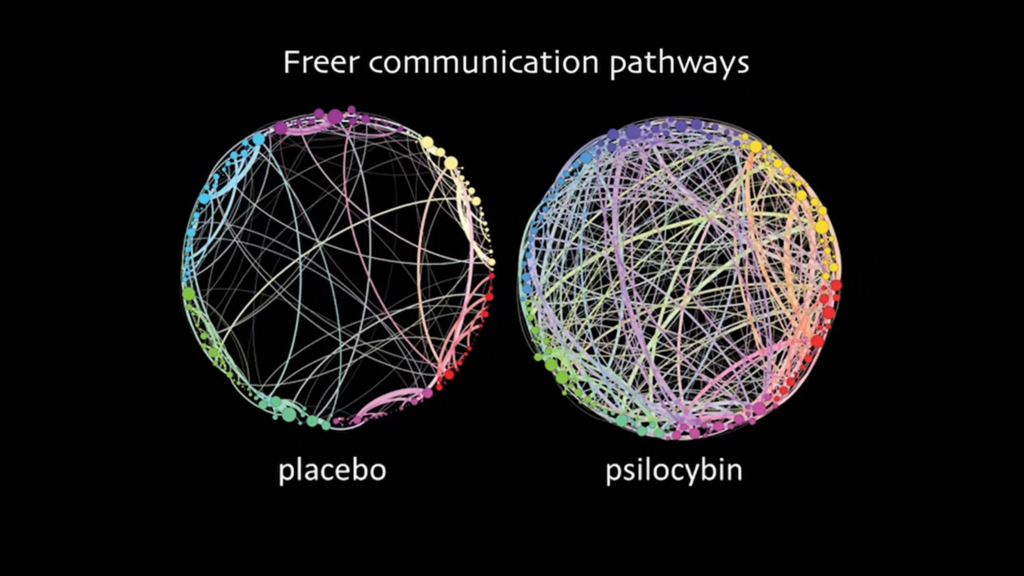
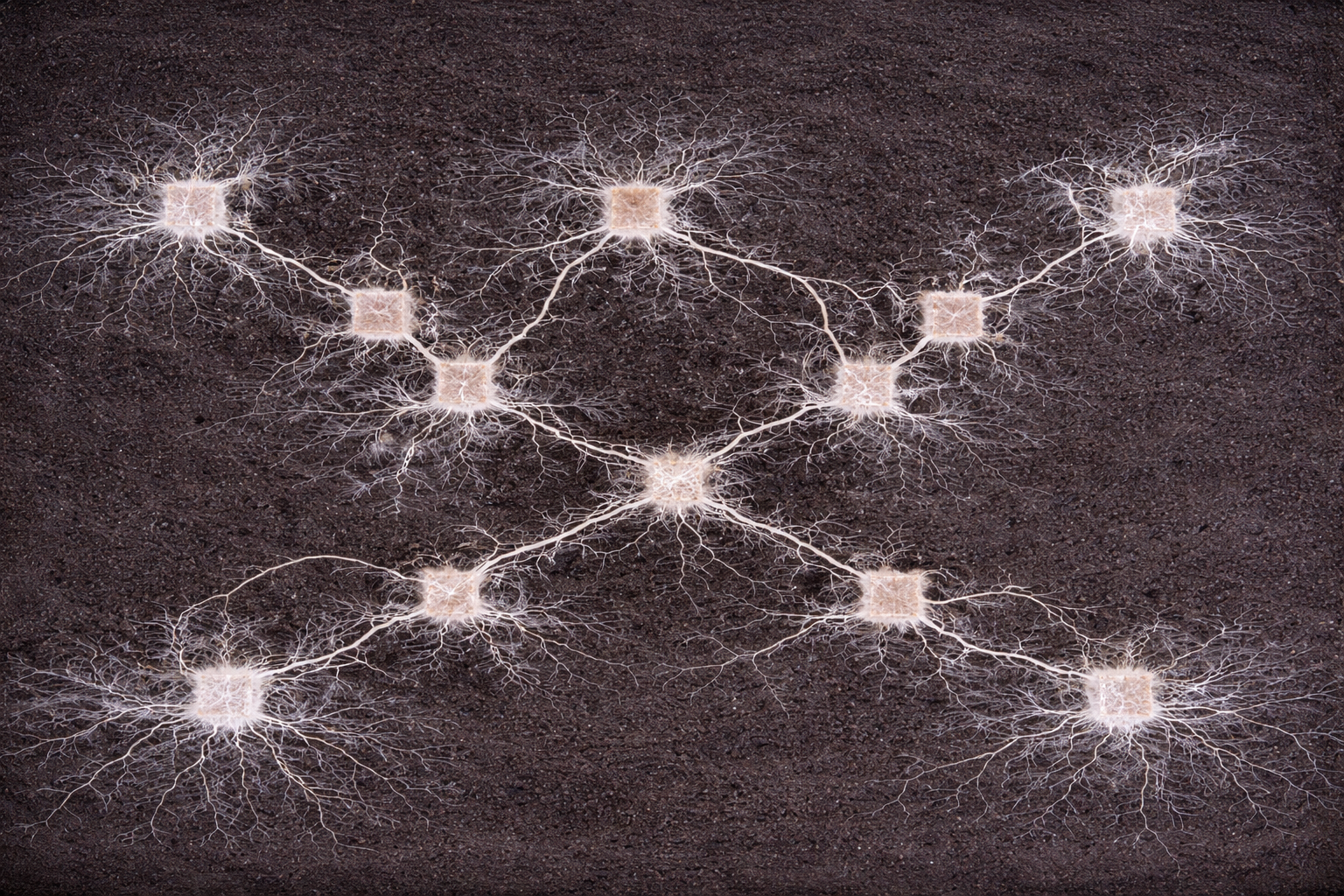
This maps onto something I think about often: the difference between centralised, hierarchical systems (whether religious, political, or economic) and more decentralised, networked approaches to truth and meaning-making. The mushroom experience seems to shift people away from rigid certainty and toward what we might call “distributed wisdom”, that recognises profound truth can emerge from multiple sources and traditions.
The Shadow Side
Not everything was blissful. While no serious adverse events occurred, 46% rated the experience among the top five most psychologically challenging of their lives. One participant described it as “dark, empty, terrifying.”
This is important. The study’s authors acknowledge this, and it’s a reminder that these are powerful medicines and high doses are not to be taken lightly. The set (mindset), setting (environment), and support structure are crucial. Every participant had two trained facilitators present throughout their journey.
The Controversy and Limitations
The study faced significant delays due to ethical concerns, including potential conflicts of interest around funding sources and direct funder involvement in the research. These were eventually resolved through disclosure, but they’re worth noting.
The methodology also had limitations. The sample was small, heavily white and male. Major traditions like Hinduism, Taoism, Confucianism, and Indigenous religions weren’t represented. Participants may have been primed by recruitment language and researcher expectations. Many were already considering leaving their profession, possibly seeking reconnection with the divine.
Despite these flaws, the core findings remain provocative.
The Deeper Pattern
This study suggests that psilocybin mushrooms can serve as a bridge to transcendent experience. While major world religions today generally don’t advocate mind-altering substances, psychedelic plants and fungi have been employed in sacred ceremonies throughout human history.
There’s speculation that the Eleusinian Mysteries of ancient Greece – ceremonies that influenced early Christianity and Western philosophy – involved psychedelic compounds. William James, father of American psychology and author of The Varieties of Religious Experience, reportedly came to many of his central ideas through hallucinatory experiences with nitrous oxide.
There’s also a beautiful metaphor here. Mushrooms are known as decomposers in forest ecosystems, breaking down dead matter and cycling nutrients. Research is showing they’re also catalysts for breaking down rigid mental structures and regenerating spiritual vitality. The same organisms that nourish forests also help nourish human consciousness.
What This Means
Years after their sessions, some of these clergy have become advocates for psychedelics, incorporating them into their religious teachings. Not all of them. But none ruled out using psilocybin again.
The implications extend beyond religion. If a single supported psilocybin session can shift perspective this profoundly for people deeply trained in contemplative practice, what might it do for how we approach other rigid systems like our government, economy, or society?
That’s beyond this study, but it’s interesting to think about. Given that 96% of participants rated their experience among the most spiritually significant of their lives, what would happen if more of us had the same? It could be just what our species needs.
The study: “Effects of Psilocybin on Religious and Spiritual Attitudes and Behaviors in Clergy from Various Major World Religions” published in Psychedelic Medicine.
This article makes statements that do not align with the source listed at the bottom of the page. It’s a curious study, but the number of participants, their religious affiliations, and the percentage outcomes presented here do not align with the scientific methods described in the publication.