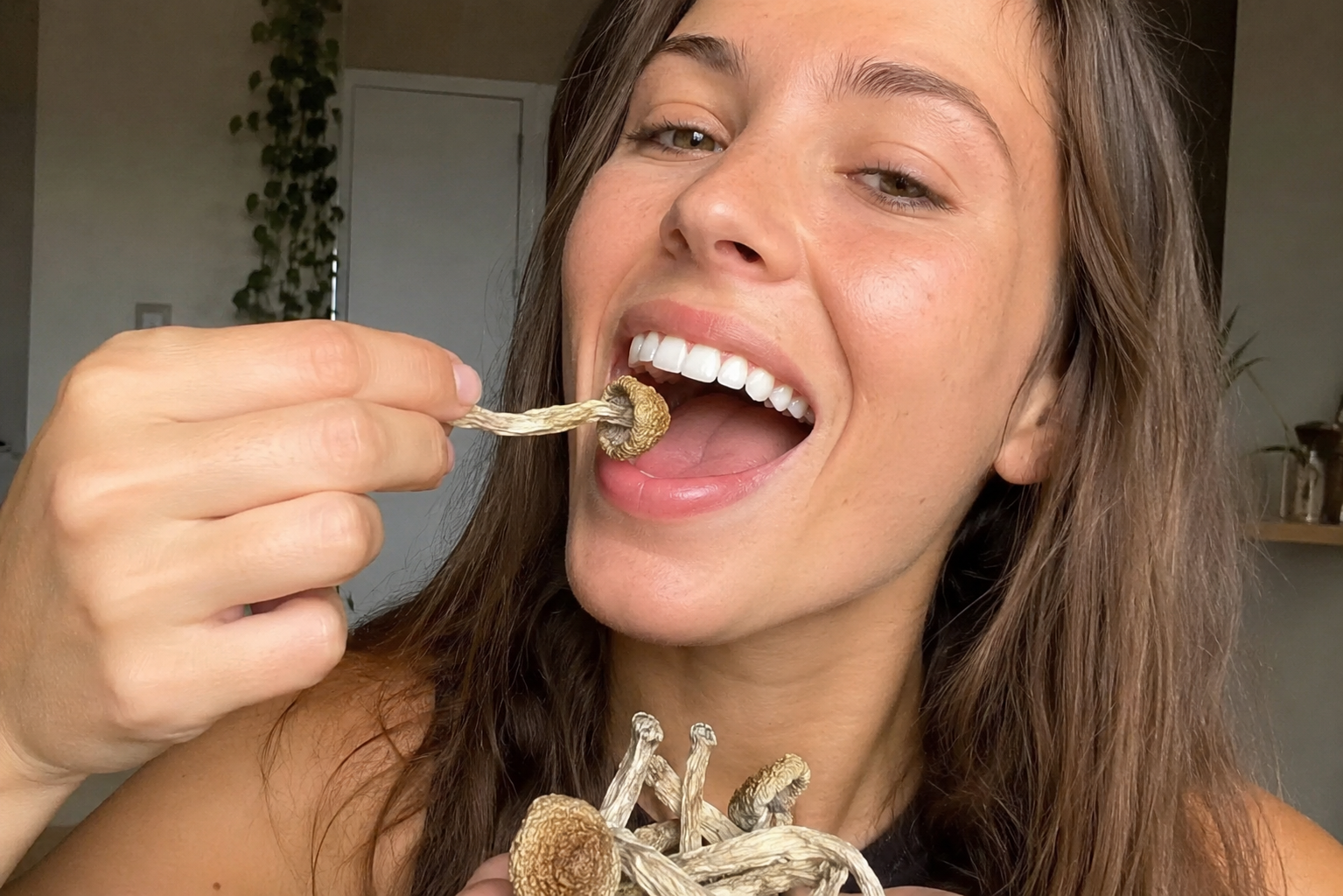
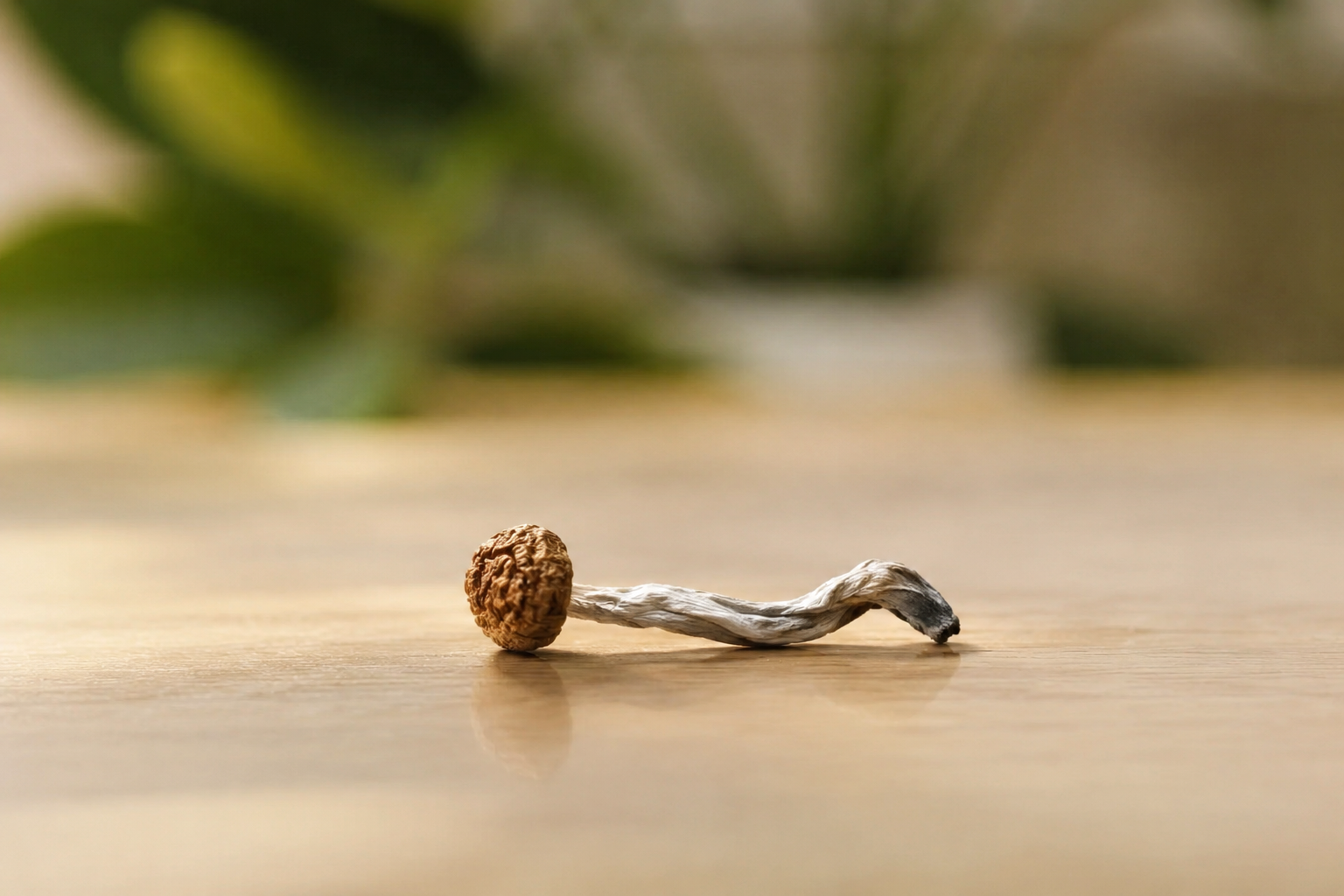
Turns out that psilocybin can do completely different things to your brain depending on your food and exercise patterns.
Researchers at Monash University just published findings in Genomic Press Psychedelics that challenge the “magic bullet” narrative around psilocybin. They gave the same dose to female mice under different metabolic conditions – some were food-restricted, some exercised heavily, some did both, and some did neither. The results show that psilocybin responded to the body’s state like a chameleon, producing entirely different effects on social behaviour and inflammation depending on what else was happening metabolically.
In control mice, psilocybin reduced interest in social novelty. But in mice that had been exercising, it increased it. In food-restricted mice with lower body weight, it shifted their attention away from social interaction entirely and they became more interested in objects (read: potential food sources). And inflammation markers only elevated in the exercise group after psilocybin treatment.
Metabolic Context
Your brain doesn’t exist in a vacuum. It exists in a body with fluctuating energy states, shifting inflammatory signals, and varying demands on every cell.
While psilocybin primarily works through serotonin receptors, serotonin signalling is intimately connected to metabolic state. Countless factors change how neurotransmitter systems respond to interventions like psilocybin.
We can’t understand a compound’s effects on the brain without understanding the brain’s relationship to the body’s energy economy. The brain accounts for 20% of your body’s energy expenditure despite being only 2% of your body weight. When metabolic states shift dramatically – in this case through starvation, intense exercise, or inflammatory stress – the brain’s energy landscape changes. And with it, the effects of any intervention.
The Inflammation-Exercise Connection
Particularly intriguing is the finding that psilocybin only increased inflammation markers in mice that were exercising heavily. The typical narrative is that “psychedelics reduce inflammation”, so what’s happening here?
Well, human studies typically measure inflammation days after psilocybin administration and find reductions. This study measured hours after and found increases, but only in the group that had exercised heavily.
Exercise already puts demands on mitochondrial function and triggers acute inflammation as part of adaptation. Add psilocybin to that mix, and you’re potentially compounding the metabolic load. Whether this is beneficial or detrimental probably depends on timing, dose, and the individual’s baseline metabolic health.
This is why thinking about mushrooms (whether culinary, medicinal, or psychedelic) as isolated interventions misses the point. They’re tools that work with your body’s existing systems. Lion’s Mane supporting nerve growth factor production only matters if you have the metabolic machinery to respond. Reishi’s immune-modulating effects depend on your baseline inflammatory state. Psilocybin’s neuroplastic effects depend on your brain’s energy status.
Gender Gap
Most psychedelic research has focused on male animals, despite eating disorders like anorexia affecting women at much higher rates. This study used female mice specifically to address that gap. But the bigger shift is acknowledging that sex, metabolic state, exercise history, and nutritional status all fundamentally alter how these compounds work.
This is a feature of how biology actually works. Your brain and body responds to context. Interventions that ignore context will produce inconsistent results. Interventions that work with context can become powerful tools for self-directed healing and optimization.
The Bigger Picture
This research reveals about how we should think about any intervention for health.
Whether we’re talking about medicinal mushrooms, psychedelics, pharmaceutical, or basic lifestyle factors, the context of your body’s metabolic and inflammatory state shapes everything. This is holistic thinking.
Want to go deeper into how metabolic state, mushrooms, and brain function intersect? Join me at The Spore Report where we explore the science of mushrooms.
Source: Psilocybin exerts differential effects on social behavior and inflammation in mice in contexts of activity-based anorexia. Sheida Shadan et al.