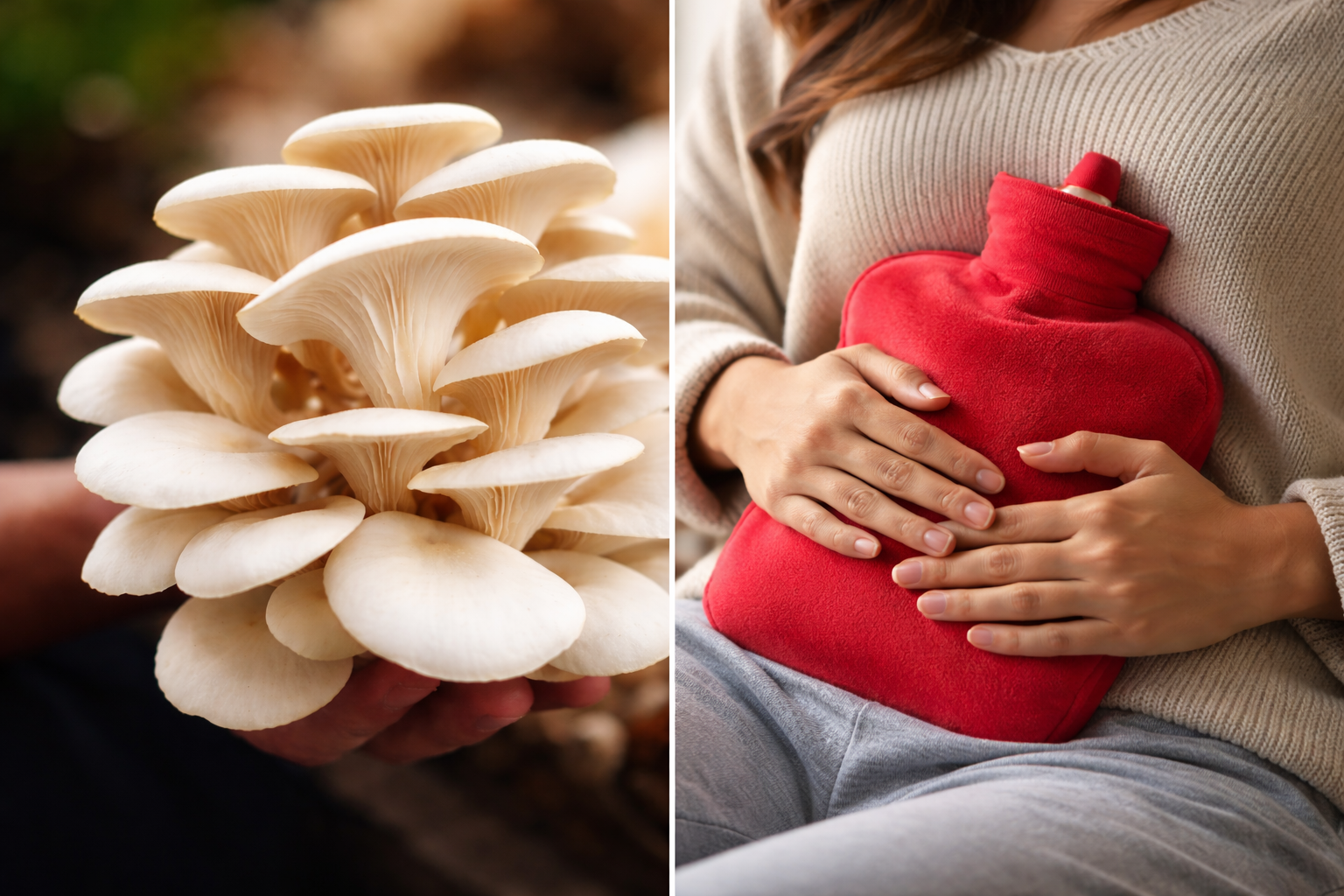
Period pain isn’t just something you push through with ibuprofen and a hot water bottle. For a significant proportion of women, it’s a debilitating monthly experience that interrupts work, study, and basic function. And for all the research into reproductive health, the non-pharmacological options remain thin.
A new clinical trial suggests a unique solution. The compound in question is L-ergothioneine, a sulfur-containing amino acid produced almost exclusively by fungi and soil bacteria. And the mechanism it appears to be working through is one that existing painkillers don’t touch at all.
What the Trial Found
Forty women aged 18 to 30 with primary dysmenorrhea (period pain without an underlying condition like endometriosis) were split into two groups. One group took 120mg of ergothioneine daily across three consecutive menstrual cycles. The other took a placebo. Nobody knew which they were getting.
At the start of the trial, the ergothioneine group reported an average peak pain score of 4.8 out of 10. By cycle one it had dropped to 4.1, by cycle two to 3.6, and by cycle three to 2.3. That’s a reduction of more than half, achieved progressively, with each cycle showing greater improvement than the last. The placebo group showed no significant change across the same period. 84% of women in the ergothioneine group achieved 50% or greater pain reduction by the final cycle, compared to 35% in placebo. No adverse events were reported in either group.
Why Ibuprofen Works, and What It Misses
The standard model of period pain says that just before menstruation, falling progesterone triggers a release of arachidonic acid, which the body converts into prostaglandins. Elevated prostaglandins cause uterine contractions so strong they compress nearby blood vessels, briefly cutting off oxygen supply to the muscle tissue. That ischemia (oxygen deprivation) is the source of the cramping pain. And ibuprofen blocks prostaglandin production, leading to a reduction is pain.
That’s the pharmacological model, and it works reasonably well acutely. But it’s acting on the symptom, not the upstream conditions that made those prostaglandins so disruptive in the first place.
What the prostaglandin model leaves out is what happens when tissue becomes ischemic. Oxygen-deprived cells generate reactive oxygen species (free radicals), and elevated free radicals in the uterine environment drive a secondary cascade that includes more oxidative damage to local tissue, more inflammation, and more pain sensitisation.
Multiple studies have established that women with more severe dysmenorrhea have significantly higher oxidative stress markers and depleted antioxidant reserves in uterine tissue. So the pain isn’t just about prostaglandins. It’s about the cellular environment those prostaglandins are detonating in.
This is where ergothioneine enters.
The Mechanism That Sets This Apart
Lead researcher Guohua Xiao put it directly to New Scientist: “During menstruation, discomfort is heavily driven by localised oxidative stress in the uterine tissue. EGT likely neutralises free radicals directly at the source of the cellular stress before the systemic inflammatory cascade is even triggered.”
That framing is supported by one of the trial’s most interesting findings. The researchers measured four classical inflammatory biomarkers (IL-6, TNF-alpha, IL-1beta, and prostaglandin F2alpha) at baseline and after the third cycle. None of them changed significantly in either group, and none correlated with pain reduction. Ergothioneine cut pain in half without moving the markers that ibuprofen targets, implying that it’s working through a different pathway entirely.
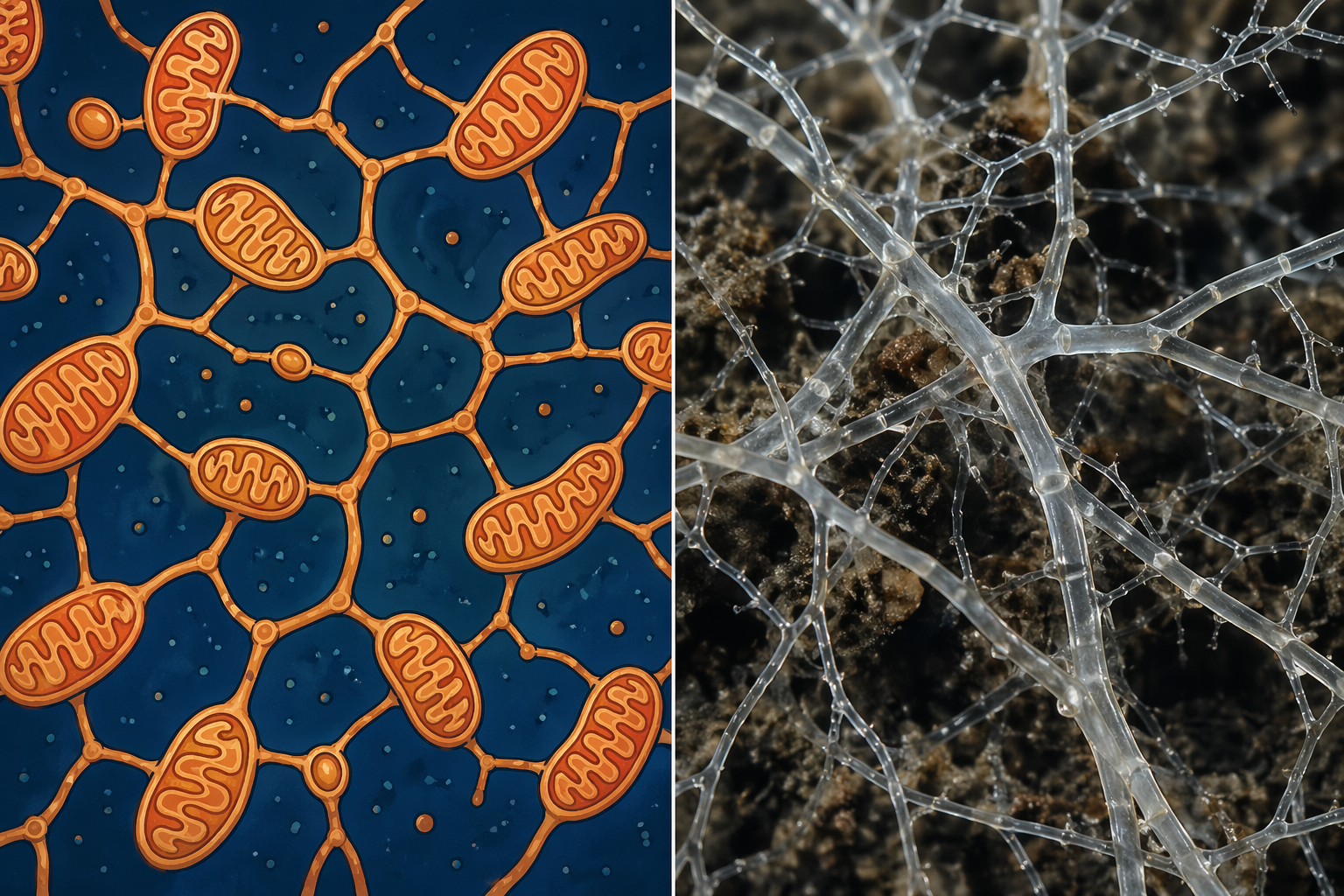
That pathway runs through the mitochondria. Ergothioneine is absorbed via a highly specific transporter called OCTN1, encoded by the gene SLC22A4. Unlike most antioxidants that circulate passively, ergothioneine is actively transported into cells and concentrated in mitochondria, precisely where free radical production is highest. More importantly, OCTN1 expression is upregulated in response to tissue damage and inflammation, which means the body specifically increases its ergothioneine import capacity in stressed tissue. It’s an adaptive, demand-responsive system.
This explains the progressive nature of the effect. You’re not blocking a pathway acutely. You’re restoring the redox balance of the cellular environment over time, cycle by cycle, as ergothioneine accumulates and the tissue becomes more resilient to the ischemic insult. Xiao confirmed that the compound becomes more effective as it builds up in cells.
The Deeper Problem This Points To
Here’s the part that doesn’t make it into most coverage of this study.
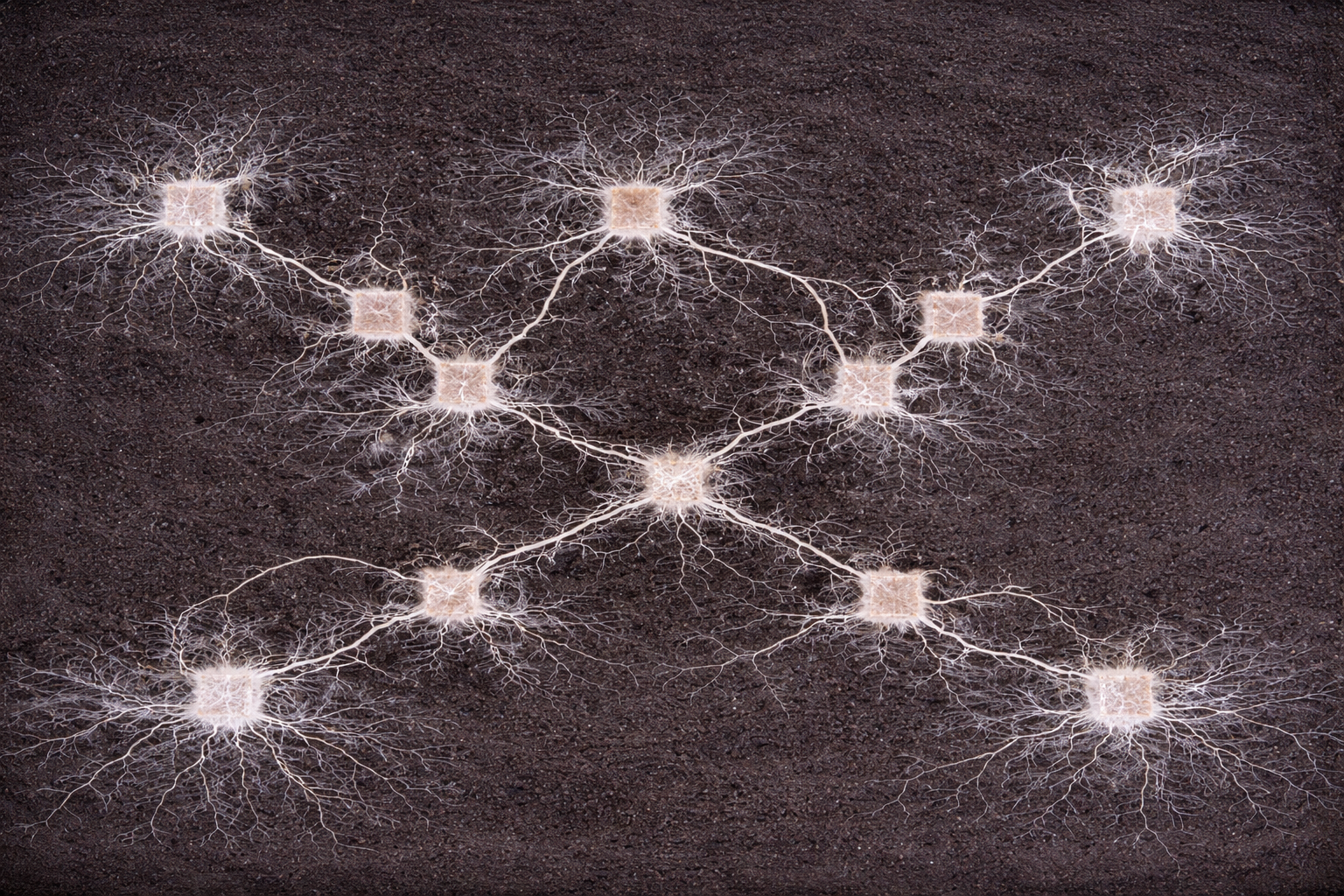
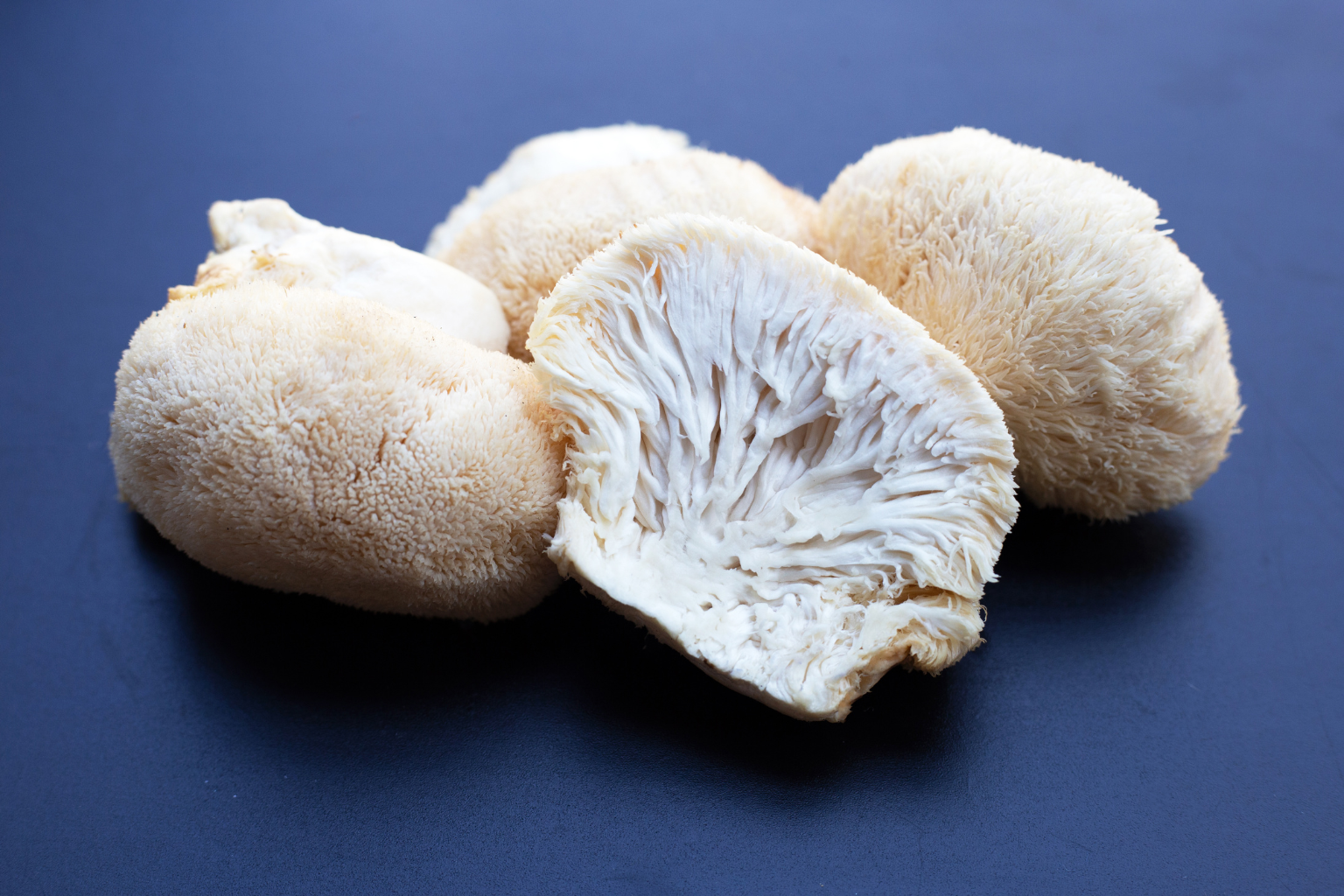
Ergothioneine is produced by fungi and soil bacteria. It enters the human food chain via mushrooms (the most concentrated source by far), via plants that absorb it from soil fungal networks, and via animals that graze on mycorrhizally-active pasture. The body didn’t just evolve to use this compound, it built dedicated infrastructure to absorb, distribute, and hold onto it. The kidneys reabsorb it rather than excreting it, blood levels are actively maintained, and human’s even have a specific transporter to prioritise its uptake.
Typical dietary intake for someone not regularly eating mushrooms is around 5mg per day. The therapeutic dose in this trial was 120mg. This highlights how far modern diets have drifted from the fungal-rich food environments this compound was designed for.
Industrial agriculture disrupts mycorrhizal fungal networks through tillage and synthetic phosphorus application, reducing ergothioneine content in crops. Feedlot cattle, eating grain from tilled monocultures, contain roughly 60% less ergothioneine than grass-fed animals grazing mycorrhizally-active pasture. Hydroponic produce contains essentially none. We have constructed a food system that systematically strips out a compound the body treats as essential. It’s no wonder why chronic conditions driven by oxidative stress keep rising.
Primary dysmenorrhea is one data point in that picture. Neurodegeneration, cardiovascular disease, frailty, and cognitive decline are others. Research has consistently found that low plasma ergothioneine predicts who develops cognitive impairment before symptoms appear. The pattern across these conditions is the same: depleted ergothioneine, compromised oxidative stress response, and tissue that can’t handle metabolic insult.
What This Means in Practice
A few honest caveats first. This is a 40-person pilot trial from a single centre in China, funded by the ingredient manufacturer, not yet peer-reviewed, and retrospectively registered. It tells us there’s a signal. It doesn’t tell us the optimal dose, whether the effect holds in larger populations, or what the long-term picture looks like. A larger multicentre trial is planned, and that will be the real test.
What it does establish is a coherent, mechanistically distinct intervention for a condition that affects hundreds of millions of women and has been largely underserved by research. The fact that it works through oxidative stress pathways rather than prostaglandin suppression means it’s complementing a gap that ibuprofen leaves entirely unaddressed.
The safety profile is also worth noting. Long-term NSAID use carries genuine risks including elevated cardiovascular events, kidney damage, gastric ulcers. Ergothioneine has been studied extensively for safety, has GRAS (Generally Recognised as Safe) status from the FDA at doses up to 30mg per day for food use, and showed zero adverse events at 120mg per day across three months in this trial.
The simplest version of this finding is that a compound produced by soil fungi, which the body evolved to depend on and modern diets fail to provide, appears to restore the cellular resilience of uterine tissue enough to significantly reduce the severity of menstrual pain. Unlike painkillers that block a symptom, ergothioneine works by rebuilding the environment in which that symptom arises.
It’s a vital piece of restoring the ecosystem that is you.
This study is a preprint and has not yet undergone peer review. Full paper: medRxiv doi.org/10.64898/2026.03.26.26349375.