As psychedelic medicine moves closer to the mainstream, researchers are becoming increasingly focused on dosage, brain scans and clinical protocols.
But a new essay published in Psyche argues we may be overlooking something just as important: thousands of years of human experience.
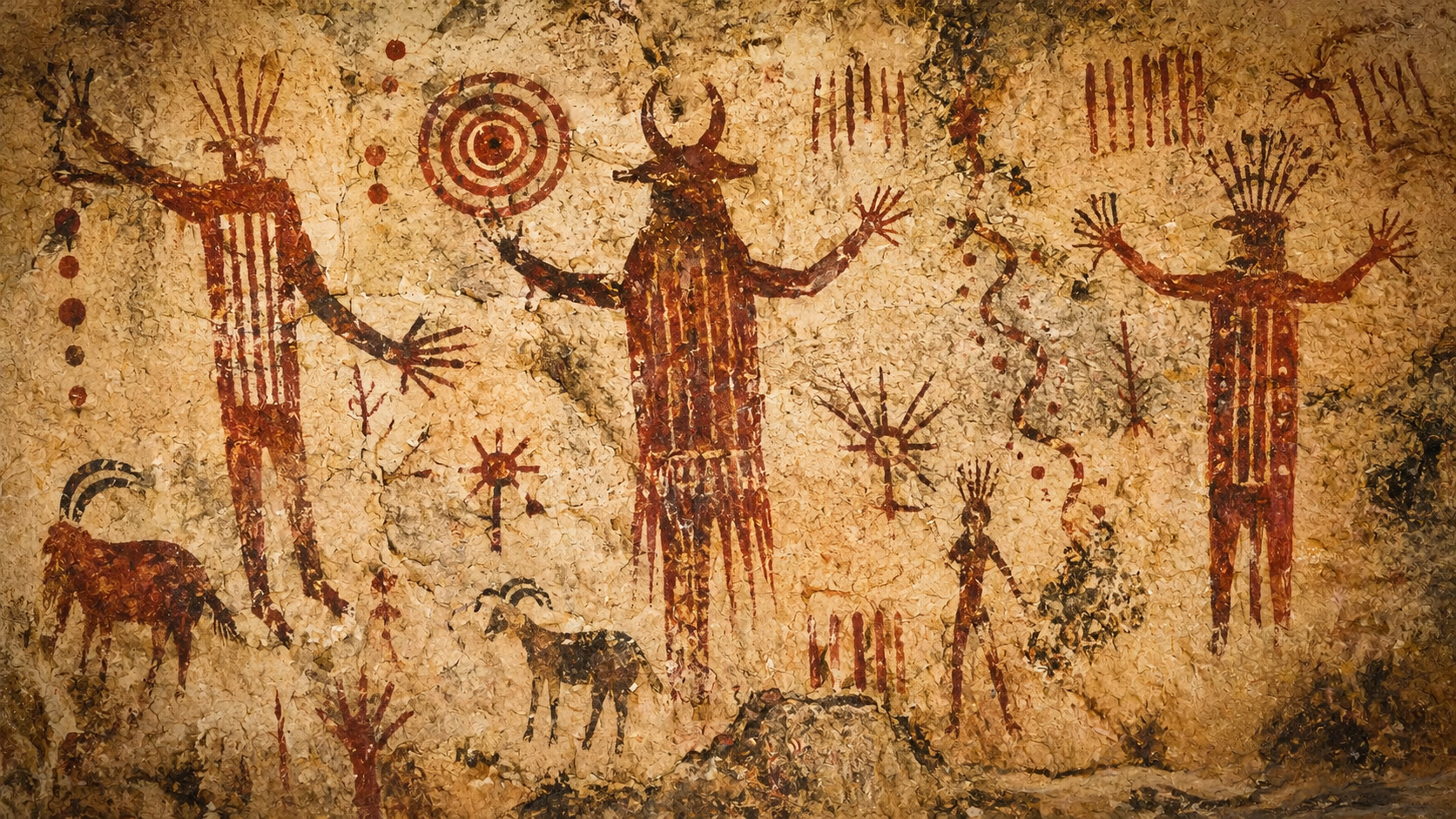
Medical researcher William McCarthy points to ancient rock art in the Lower Pecos Canyonlands of Texas, where murals dating back thousands of years appear to depict peyote ceremonies. Archaeologists have also discovered mescaline-containing peyote remains in the region dating to around 4,000 BCE, making it some of the oldest evidence of psychedelic use in North America.
The paintings don’t simply show people consuming peyote. They depict rituals, sacred landscapes, animals and mythological figures, suggesting psychedelics were never viewed as isolated drugs but as part of a much larger healing tradition.
More Than Molecules
Today, psychedelic research is understandably focused on biology. Scientists are investigating how psilocybin, LSD, DMT and mescaline alter brain networks, promote neuroplasticity and relieve symptoms of depression, PTSD and addiction. Clinical trials continue to produce encouraging results, bringing these compounds closer to widespread medical approval.
But McCarthy argues that modern medicine risks reducing psychedelics to little more than molecules acting on serotonin receptors, as ancient cultures appeared to see healing very differently.
Instead of separating the medicine from its surroundings, the environment, ceremony, community and personal meaning were all considered part of the treatment itself.
Science Is Beginning to Catch Up
Interestingly, modern research may already be pointing in the same direction. Many psychedelic studies report that participants experience a profound sense of connection to nature, other people and the wider world. Researchers describe this as increasing “nature-relatedness”, and growing evidence suggests these experiences may contribute to lasting improvements in mental health rather than simply being interesting side effects.
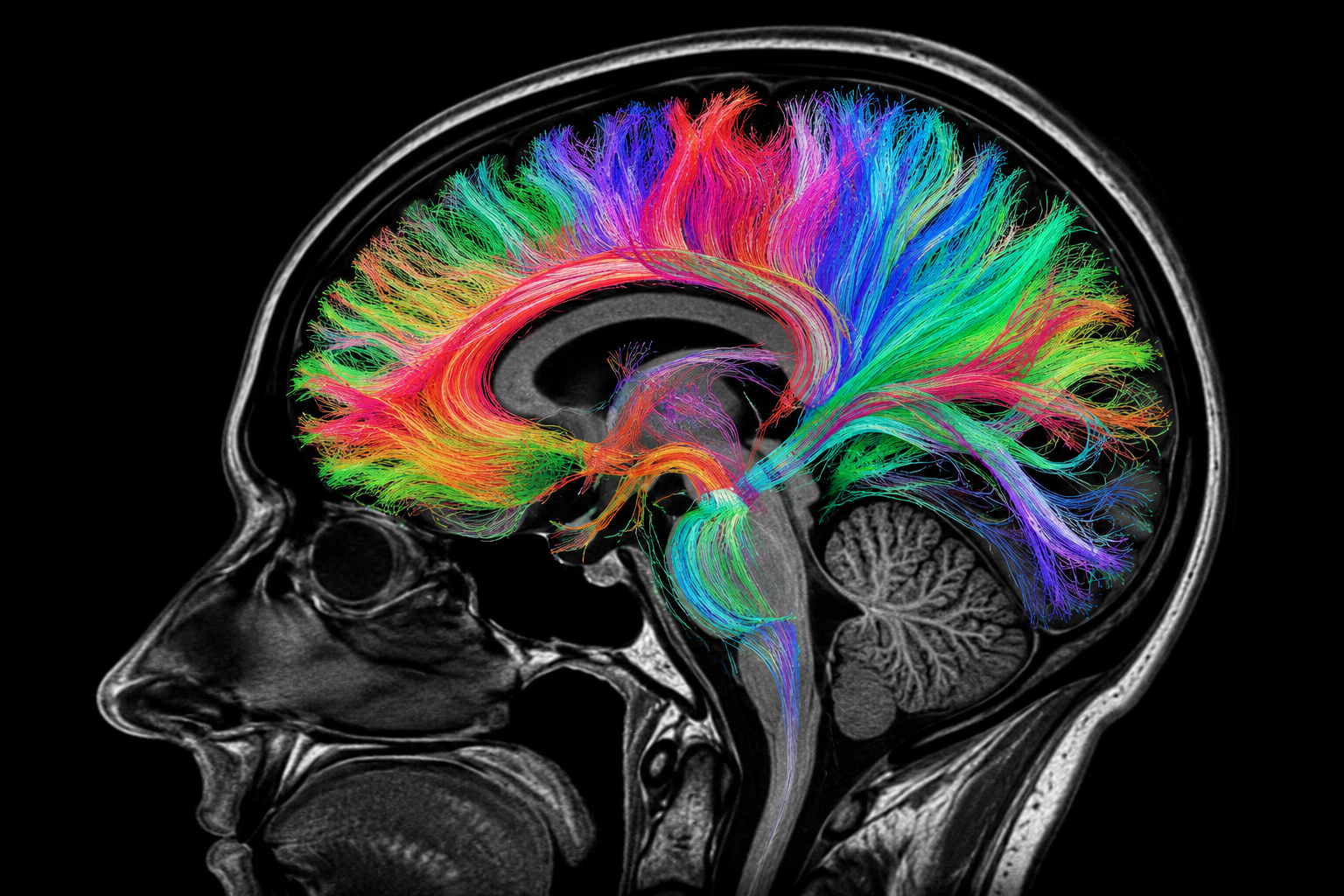
Brain imaging studies also show that psilocybin temporarily increases communication between normally separate brain networks, helping loosen rigid patterns of thought associated with depression. Patients frequently describe not only symptom relief, but a renewed sense of meaning, purpose and connection. Those outcomes sound remarkably similar to what ancient ceremonial traditions may have been cultivating all along.
McCarthy isn’t suggesting psychedelic medicine should abandon scientific rigour or replace clinical trials with ancient rituals. Instead, he argues that Indigenous traditions may contain valuable insights about what actually makes these treatments effective.
If healing depends partly on context, relationships and connection to the natural world, then simply manufacturing psychedelic drugs may not be enough.
As pharmaceutical companies race to develop shorter treatments that fit neatly into healthcare systems, there is a growing debate over how much of psychedelic therapy can be simplified before some of its benefits are lost.
The Bigger Picture
One of the article’s most powerful ideas is that the landscape itself may once have been considered part of the medicine. The canyons, rivers and caves where peyote ceremonies took place were active participants in the healing process.
Whether or not that idea can be tested scientifically remains unclear. But as psychedelic medicine enters hospitals and pharmaceutical pipelines, the article raises an important question. Are we learning everything these compounds have to teach us, or only the parts that fit comfortably inside a laboratory?
The ancient artists who painted those canyon walls thousands of years ago may not have understood serotonin receptors or functional MRI scanners. But they clearly believed healing involved far more than simply consuming a substance.
As modern psychedelic medicine evolves, remembering that broader perspective may prove just as valuable as discovering the next breakthrough molecule.
Read the article here.
Keep up with the research here.