
Most people who have smoked DMT describe a journey lasting somewhere between five and fifteen minutes. It is short, brutal, and often over before the mind can orient itself. But a small and growing number of people are now undergoing intravenous, extended-state DMT administration, dosed continuously over hours rather than delivered in a single inhaled spike.
Chase Hughes
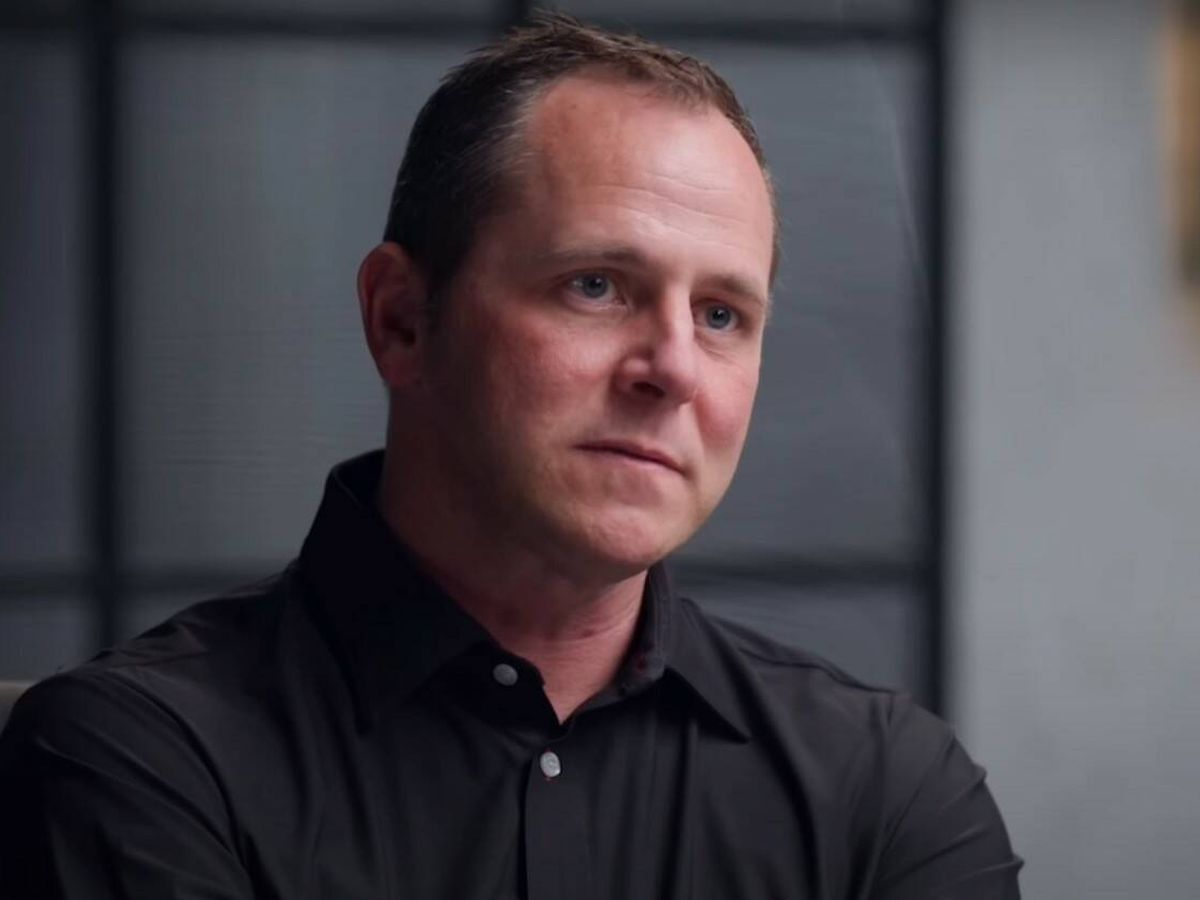
Chase Hughes’ account of a five-hour IV DMT session on the The Great Unlearn podcast gives us a rare window into what happens when the DMT experience is sustained. He describes himself as the 41st person in the world to undergo this particular protocol, administered through an anesthesiology pump capable of titrating dose in real time, essentially allowing a practitioner to “launch” a participant deeper into the experience by increasing flow rate.
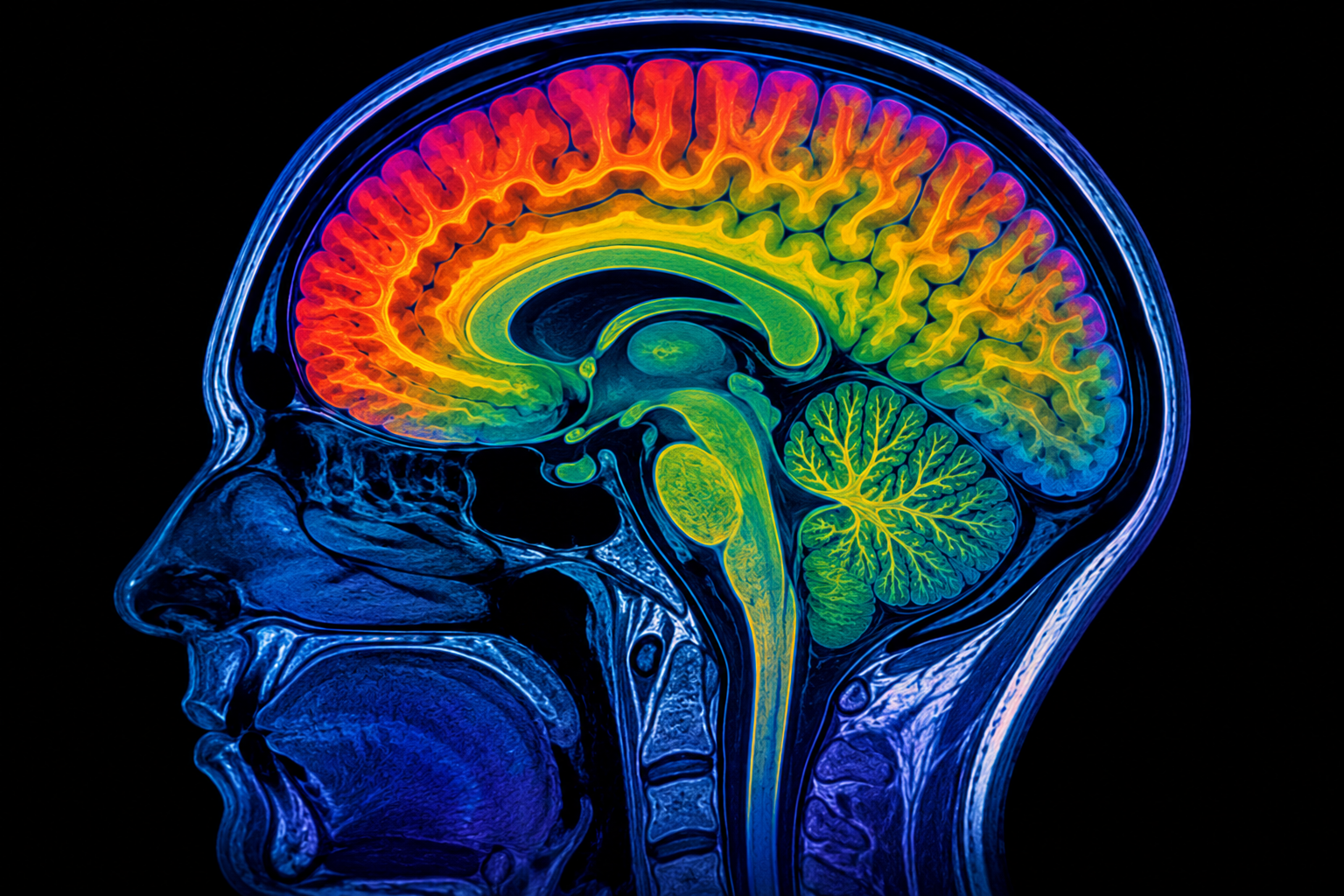
His stated reason for going in was neuroplasticity. A brain scan had shown that roughly 38 percent of his brain was, in his words, not functioning as it should. He wanted the neurogenic boost associated with psychedelic administration, driven by brain-derived neurotrophic factor (BDNF), a protein central to synaptic growth and the reopening of critical periods of plasticity in the adult brain.
What he got, by his account, was something closer to total ontological rupture. He describes bypassing the so-called “waiting room” (the liminal antechamber many DMT users report entering before the full breakthrough) in seconds, propelled by the IV’s ability to escalate dose on demand. What followed was an encounter with the entities that DMT users have reported with striking consistency for millennia. Light beings, non-human, aware, and according to his account, engaged in something like surgical work on his body.
He describes being laid on a table, opened from pelvis to neck without pain, and having an instrument inserted through his nasal cavity to the base of his skull. Throughout, he says, there was no fear, only a pervasive sense of love and non-judgment, even as the content of the experience would have been terrifying in ordinary consciousness.
The entity question
This is the part of extended DMT accounts that researchers such as Andrew Gallimore, Donald Hoffman, and Peter Sjöstedt-Hermansson have been trying to take seriously rather than dismiss as hallucination. Their recent “Traces of the Other” preprint argues that the consistency, structure, and apparent agency of DMT entities across cultures and centuries deserves genuine philosophical and scientific scrutiny, rather than a reflexive explanation via random neural noise. An experience like this one, in which the subject reports coherent, goal-directed activity performed on him by discrete beings over a sustained multi-hour window, is the kind of data point that model has to reckon with.
Perhaps the most striking detail in his account is temporal. Five hours of clock time, he says, felt like five or six months. This kind of radical time dilation is a recurring feature in DMT reports and one of the reasons researchers like Gallimore have proposed that extended-state DMT protocols, sometimes referred to as DMTx, might function less like a drug trip and more like an immersion, a sustained visit to another operating mode of consciousness rather than a brief glimpse of one.
It is a claim that legal DMTx centres, including Eleusis on Bequia, are now trying to test formally, with structured protocols, integration support, and monitored physiological data, rather than relying on anecdote alone.
Intention
He also describes how his wife, present during the session but not administered anything herself, was reportedly shown the vials of DMT to select from ahead of time and asked to state an intention over them. The first thing addressed in the experience, before anything else, was reportedly the exact request she made regarding his physical health. Whether one reads this as coincidence, suggestion, or something else, it is the kind of anecdote that extended-state DMT research will eventually need frameworks for handling.
What is hardest to communicate about these experiences, by his own admission, is scale. He describes being told by someone he trusts that DMT is “big in a way that you cannot fathom, describe, comprehend, imagine, or even come close to understanding.” It may be the most accurate thing anyone has said about it.
As extended-state DMT moves from underground anesthesiology setups to formal legal protocols, accounts like this one are the raw material researchers will eventually need to systematise. The question is no longer just what DMT does to the brain. It is what, if anything, is on the other side of it.
Watch the podcast on Youtube here.
Keep up with the research here.

Legal centers like DMTx.org in Colorado have already been doing this for years now.
It’s not a luxury resort with big money and big promotions.
Check it out.