One of the strangest mysteries in psychedelic science isn’t that DMT produces vivid hallucinations. It’s that so many people report seeing remarkably similar things.
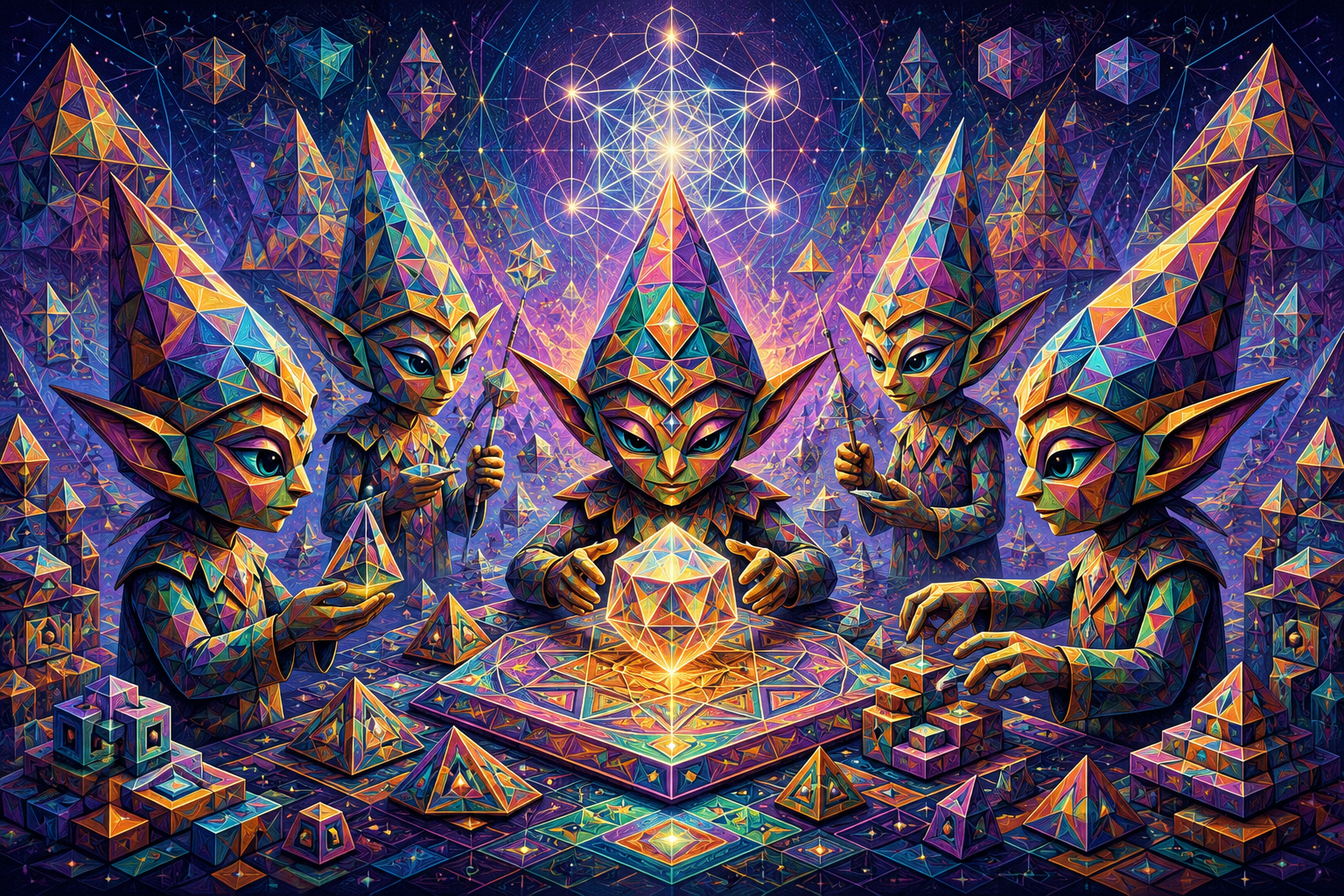
Across continents, cultures and decades, people who inhale DMT often describe encounters with intelligent entities. Some call them elves. Others describe insect-like beings, machine elves, clowns, aliens, ancestors or guides. They often appear to communicate telepathically, welcome the traveller into another realm, or present impossible objects and lessons before disappearing as suddenly as they arrived.
The similarities are striking enough that they’ve fascinated everyone from psychonauts like Terence McKenna to neuroscientists and philosophers. But what, exactly, are people seeing?
A recent discussion between biologist Rupert Sheldrake and philosopher Peter Sjöstedt-Hughes revisits one of the biggest unanswered questions in psychedelic research: are DMT entities simply elaborate creations of the brain, or could they point to something deeper?
The Great DMT Mystery
Unlike many psychedelic experiences, DMT trips are often populated. People don’t just report altered colours or distorted geometry. They frequently describe meeting beings that appear autonomous, as though they possess intentions of their own.
Many describe the same unsettling feeling that the entities already knew they were coming. Some users say they’re greeted like an old friend returning home. Others report being examined, taught, comforted or even criticized. Despite never having met each other, these accounts often contain surprisingly similar themes.
That raises an uncomfortable question. Why should entirely separate brains generate such similar experiences?
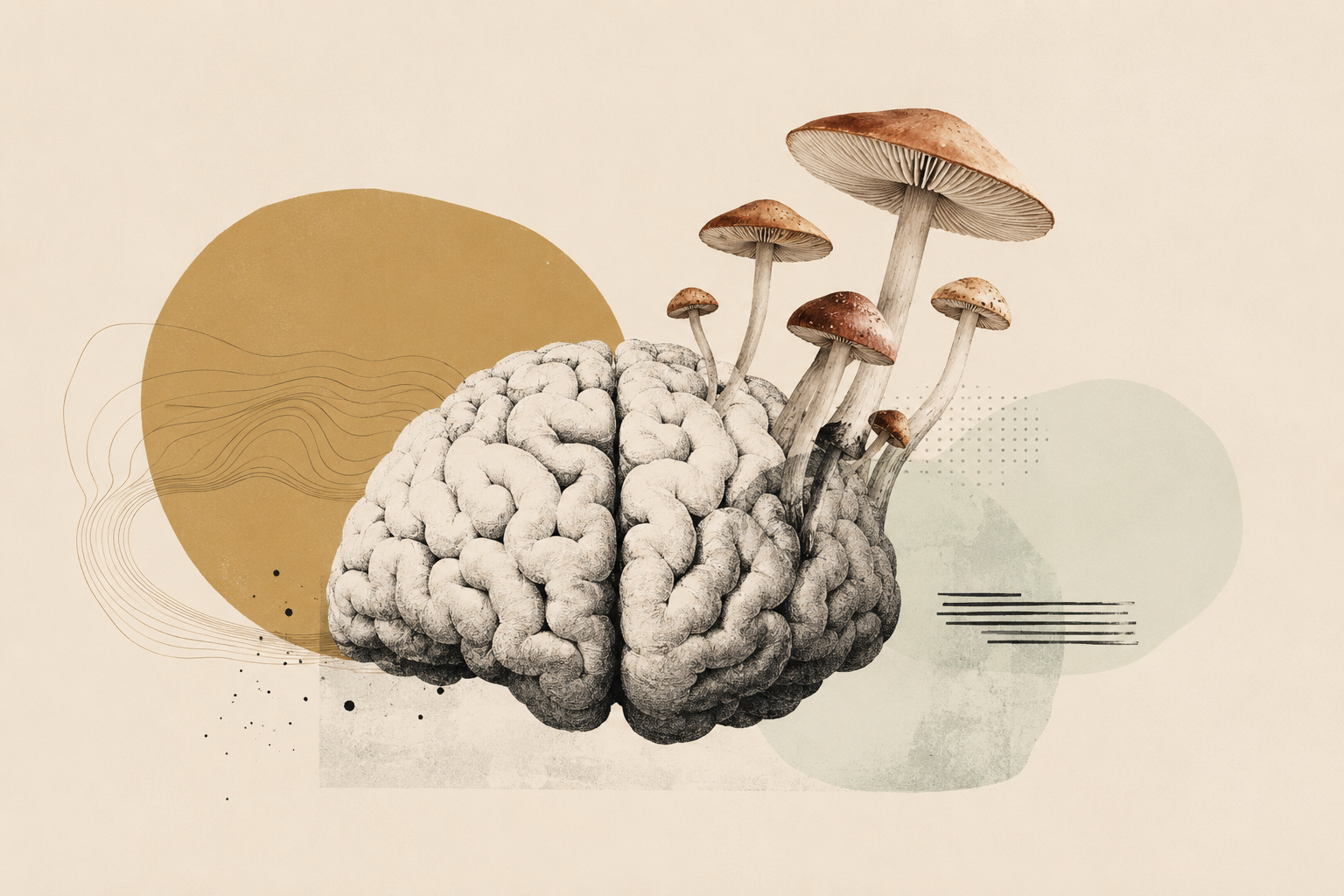
The conventional scientific explanation is straightforward. DMT temporarily disrupts normal patterns of brain activity, allowing spontaneous imagery, memories and expectations to combine into extraordinarily vivid hallucinations. Our brains are natural pattern-making machines, and under DMT they may become exceptionally creative.
For many researchers, that’s explanation enough. But Sheldrake argues the consistency of these reports deserves closer attention. Rather than dismissing them outright, he suggests they should be treated as data. Not necessarily evidence that elves exist, but evidence that something interesting is happening.
The Dream Connection
To illustrate his point, Sheldrake turns to dreams. Everyone dreams. And dreams regularly contain people, places and impossible beings that feel entirely real while we’re experiencing them.
One example he gives is the Hindu deity Ganesh. Ganesh, the elephant-headed god, is an unmistakably cultural figure. Millions of people in India grow up surrounded by statues, paintings and stories of him.
Sheldrake wondered whether Ganesh also appeared in dreams. After searching online, he discovered numerous dream discussion groups where people described recurring encounters with Ganesh while asleep.
To Sheldrake, this suggests something important. Some dream figures may not simply be random inventions of individual brains. They may emerge from shared cultural imagery that exists across many minds. If collective images can shape dreams, could something similar happen during psychedelic experiences?
A Collective Psychedelic Memory?
This idea connects to one of Sheldrake’s best-known and most controversial hypotheses: morphic resonance.
The theory proposes that nature contains a kind of collective memory. According to this idea, similar systems become connected through resonance with previous similar systems. Habits formed in the past influence similar events occurring in the present.
Applied to psychedelics, the proposal becomes fascinating. Imagine thousands of generations of Amazonian shamans drinking ayahuasca while immersed in stories of jaguars, serpents and forest spirits. Over centuries, those experiences might leave behind a kind of collective imprint. Future users, even people with no knowledge of Amazonian traditions, could potentially resonate with that accumulated history.
It’s a speculative idea, and one that sits well outside mainstream neuroscience. But it attempts to explain something that purely individual brain models often struggle with: why certain symbolic figures appear again and again across unrelated psychedelic experiences.
What About the Elves?
The famous DMT “machine elves” present an even bigger puzzle. Unlike Ganesh or religious imagery, many people encounter these strange beings without expecting them. Reports stretch back long before Terence McKenna popularized the idea, and similar entity encounters also appear in indigenous traditions, near-death experiences and mystical literature.
Does this mean elves are objectively real? Not necessarily.
Peter Sjöstedt-Hughes approaches these reports more cautiously. Rather than accepting them literally or dismissing them as meaningless hallucinations, he argues they’re worthy of philosophical investigation.
The experiences are real. The question is what they represent. They might reflect unconscious psychological structures. They might emerge from evolved features of perception. Or they might reveal aspects of consciousness we don’t yet understand.
At present, nobody knows.
The Science Still Can’t Decide
Modern neuroscience has become increasingly comfortable studying mystical experiences. Researchers can measure changes in brain networks, neuroplasticity and subjective wellbeing. But explaining why so many people report intelligent entities remains much harder.
Current brain imaging tells us where activity changes during a DMT experience. It doesn’t tell us why those changes should consistently generate conversations with seemingly autonomous beings.
That gap between mechanism and experience remains one of consciousness science’s biggest unsolved problems.
Whether DMT entities are external intelligences, archetypes, collective memories or highly convincing hallucinations, they reveal that human consciousness appears capable of producing experiences far stranger, richer and more consistent than many scientists once imagined.
For some people, those encounters become among the most meaningful events of their lives. For others, they’re simply fascinating products of a remarkable brain. The truth may lie somewhere between neuroscience, psychology and philosophy.
For now, the elves remain one of psychedelic science’s most intriguing mysteries. And until we understand consciousness itself, they’re likely to stay that way.
Source: Why do people see elves when they take DMT? | Rupert Sheldrake
Follow the research here.