
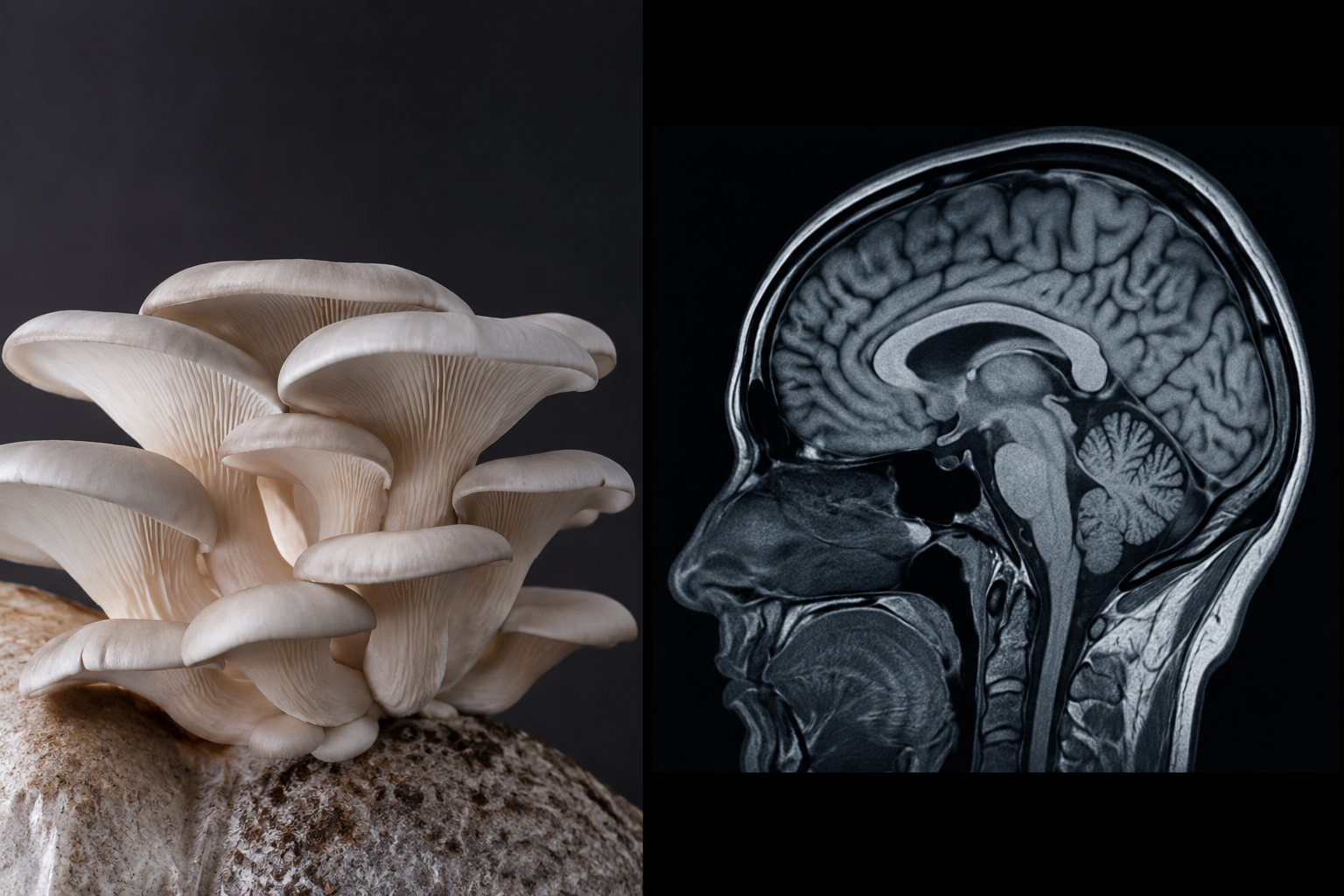
In a new study, higher levels of the fungal compound ergothioneine were linked to better brain function and a lower risk of Alzheimer’s.
The study in the journal Nature Aging looked at almost a thousand different molecules in the blood of over a thousand middle-aged people, none of whom had dementia, and checked which ones lined up with how well their brains were working. Then the researchers double-checked their results in two more separate groups of people.
After all that, one molecule came out on top: ergothioneine, a compound found in mushrooms that has repeatedly been linked to healthy brain ageing. People with more of it in their blood had noticeably better cognitive scores than people with less.
The data also found that a very common type of antacid medication appears to lower people’s ergothioneine levels, and that drop seems to explain why those medications are linked to worse memory and thinking.
Let’s break down what the study found.
The study
The researchers tested 991 blood compounds against two things: a memory and thinking test (cognition), and brain scans (MRI), which can show things like brain size and damage to the brain’s white matter (the wiring that connects different brain regions).
Fourteen compounds showed up linked to cognition strongly enough to trust. The researchers then checked whether those same 14 still held up in a second group of older adults, and they did, for 9 of them, in the same direction. They checked again in a third group, in the US, using different memory tests, and 7 out of 10 testable compounds held up there too.
When they compared the blood pattern linked to worse memory in the middle-aged group to the blood pattern in older people who actually went on to develop Alzheimer’s, the two patterns matched up closely. In other words, the same molecules that predict worse memory in your 60s are largely the same ones showing up years before an actual Alzheimer’s diagnosis. That overlap is what makes this more convincing than a typical one-off study.
Ergothioneine sat at the very top of that list. More of it in your blood, better the scores.
Read: Research Suggests That Ergothioneine From Mushrooms Could Protect Your Brain From Alzheimer’s
Why ergothioneine?
This isn’t the first time this molecule has come up in brain research, which is part of why it’s worth taking seriously. Earlier studies have already linked higher ergothioneine to a lower risk of cognitive decline, and separate research has found that people with Alzheimer’s tend to have lower ergothioneine directly in their brain tissue, not just their blood.
Two other facts about how this molecule works in the body make the case stronger.
First, your body has a dedicated delivery system just for ergothioneine. It’s a transporter protein (think of it as a designated door in your cells that only this molecule gets to walk through), and scientists found it because certain cells were pulling in far more ergothioneine than could happen by accident. Humans can’t make ergothioneine ourselves. We can only get it from food, the same way we depend on food for vitamin C. Building and keeping a dedicated import system for something you can’t even produce yourself is a strong sign that your body considers it worth the effort.
Second, ergothioneine doesn’t spread evenly through your body. It builds up specifically in the tissues that take the most wear and tear: bone marrow, the lens of your eye, your liver, your kidneys, and parts of your brain. It looks like your body is deliberately stockpiling this molecule exactly where the most protection is needed, which fits the idea that it’s doing real protective work rather than just floating around.
Read: The Latest Research On Ergothioneine: The Longevity Compound Your Body Was Built to Collect
Genetics barely matter
The researchers also tried to figure out why some people had more ergothioneine than others. Was it mostly genetics? Diet and lifestyle? Gut bacteria? Medications?
For ergothioneine specifically, genetics barely showed up at all. Lifestyle, gut bacteria, and medication use explained far more of the differences between people than their genes did.
There is a genetic side to this story; the transporter mentioned above does have some known variations between people, and a small number of people may absorb ergothioneine more or less efficiently because of their DNA. But for the average person, that genetic piece is a rounding error compared to what you eat, what’s living in your gut, and what’s in your medicine cabinet. It’s mostly a dial you can actually turn yourself (more on that later).
The antacid problem
The study found that antacid medications (this category includes proton pump inhibitors, or PPIs, common drugs for acid reflux and heartburn) were linked to noticeably lower ergothioneine levels, the strongest medication effect they found for this molecule anywhere in the data. Out of all the medications they tested, none lowered ergothioneine more than antacids did.
They then ran a separate statistical test to ask how much of the link between antacid use and worse memory is actually explained by this drop in ergothioneine? The answer came back at around 31.5%. Roughly a third of the negative effect of these medications on cognition appears to run through this one molecule.
This fits with a messy, ongoing scientific debate about whether long-term antacid use raises dementia risk. Some studies have found a link, others haven’t. What this paper adds is a believable explanation for why a link might exist at all, even though it doesn’t settle the argument either way.
Why most people have low ergothioneine
Mushrooms are, by a huge margin, the best dietary source of ergothioneine. Nothing else comes close. Most people simply don’t eat mushrooms regularly, and the few who do are usually eating the common varieties that contain the least of it.
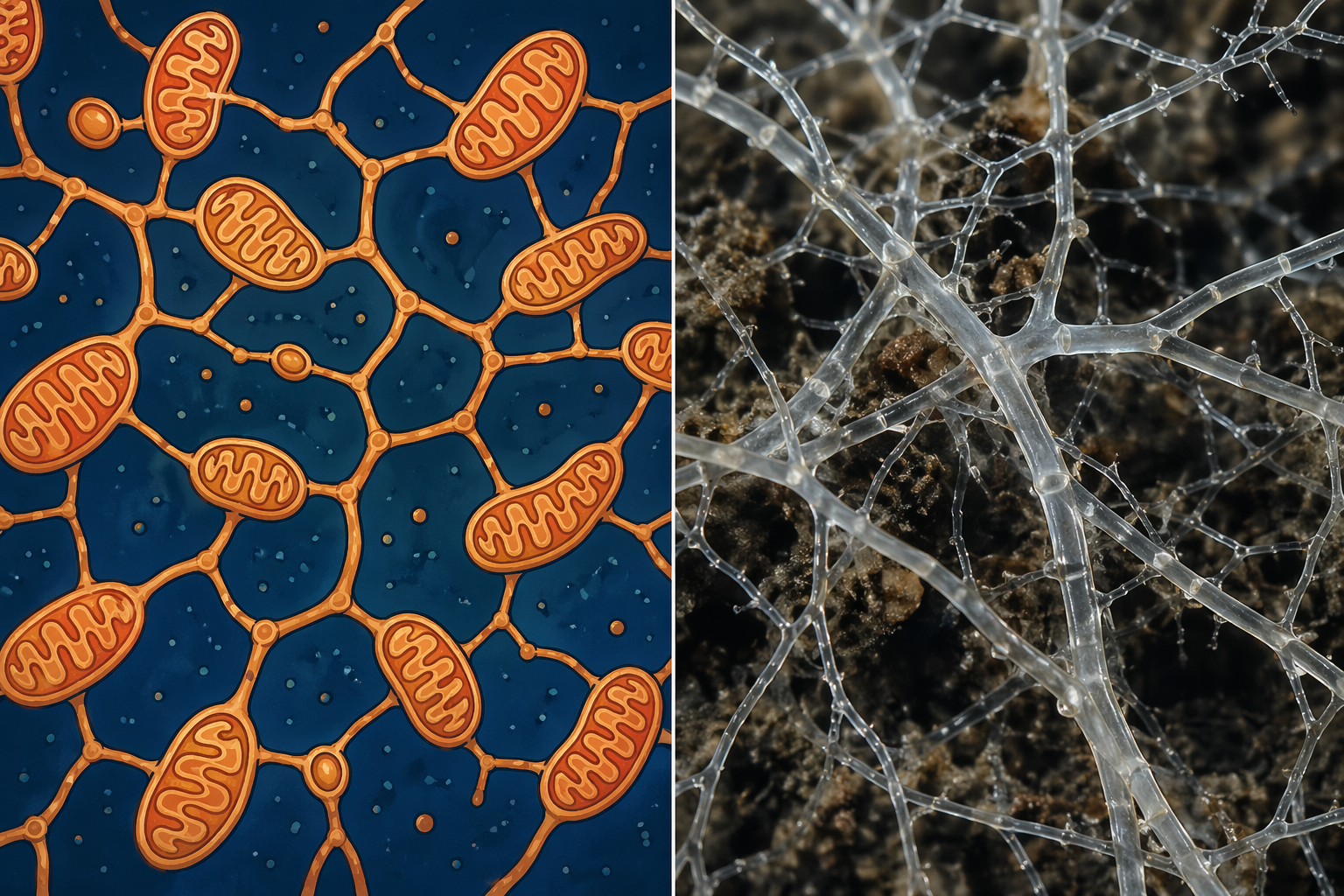
But I think there’s a bigger piece to this that gets overlooked. Ergothioneine doesn’t only get into your body through mushrooms you eat directly. It also gets into other crops and soil through fungal activity underground, specifically through the mycelial networks that naturally exist in healthy farmland.
Decades of industrial farming, heavy tilling, synthetic fertilizer, and growing the same single crop over and over have badly damaged exactly that underground fungal network. If the fungal source that feeds ergothioneine into the wider food supply has been stripped out of how we grow food at scale, that would help explain why blood levels in a study like this one come back lower than you’d expect for a molecule your body clearly works hard to protect and stockpile.
Researchers at Penn State, led by food scientist Robert Beelman, have been mapping this connection in detail. Across multiple field trials comparing intensive tillage, minimal tillage, and no-till farming in maize, soybeans, and oats, they found a consistent pattern: ergothioneine concentrations declined as tillage intensity increased, with reductions from no-till to intensive moldboard plowing of approximately 30% across all three crops. Because yield also fell with more aggressive tillage, the total ergothioneine produced per hectare dropped even further.
Read: Fungi Are The Missing Piece Of Regenerative Farming
The practical takeaway is this. Eat mushrooms regularly, not as an occasional garnish. And if you want a higher, more reliable dose than food alone tends to provide, a direct ergothioneine supplement is the more dependable way to get there.
If you want the deeper dive on the research behind ergothioneine, I wrote a full breakdown here.
And if you’re in the UK, this is the ergothioneine supplement I formulated for exactly this purpose: Click here

Fungal power baby🍄🍄🟫